
Business Book Ghostwriter for Experts and Entrepreneurs

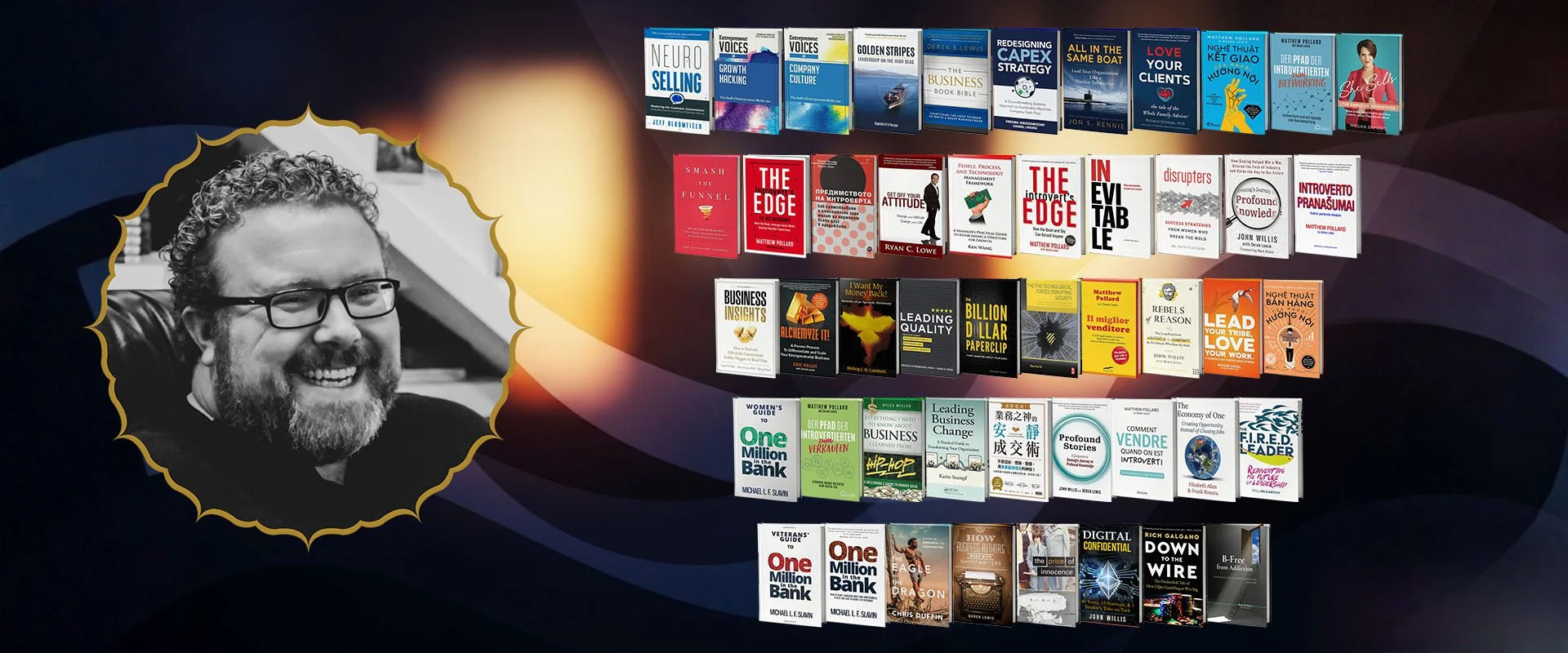
*No, I didn’t ghostwrite all these books. For some, I was the author, an editor, a consultant, or the coach. On the other hand, I can’t share all my ghostwriting projects nor every manuscript where I’ve been a catalyst.
Dear Expert/Entrepreneur,
You’re here because you’re writing a business book.
Or should I say you’re here because you haven’t written your book?
Because if you could have written your book, you would have written your book.
My name’s Derek Lewis, and I’m here to tell you there are two ways to go about it: the normal way and the fun way. Let’s talk about the normal way. Or, as I like to call it…

The Hard Way:
The High School Essay Approach
While you were in school, your teachers taught you how to write a report.
Pick your topic, do the research, write an outline, and then write your essay. Maybe you read over it once or twice before turning it in. Done.
That approach is essentially the same one we use for all of the “important” stuff we write in life and business. Blogs, articles in trade journals, findings summaries, consulting recommendations, and the like. You write an outline and then fill in the blanks.
It only makes sense that you do the same
when writing a book, right?
Yeah, how’s that working for you?
Frankendraft™: The Better Way to Write Business Books
I’ve been working with manuscripts—ghostwriting, editing, coaching, consulting, co-authoring, collaborating, and discussing—for 16 years. I have tried everything.
Believe me, I know what don’t work.
(Yes, that error was intentional.)
I would love to pretend that I sat alone in a cabin in the woods on a mountaintop and descended holding the 5-step Frankendraft Method etched on tablets of stone. The truth, as usual, is not nearly so neat.
No, my Frankendraft approach came as a result of trial and error. Lots of trials. Plenty of experiments. A lot of writing, rewriting, and revising.
I’ve tried everything. I threw out what didn’t work and clung desperately to what did.
Frankendraft is what survived the abyss.
Enter the Ghostwriter
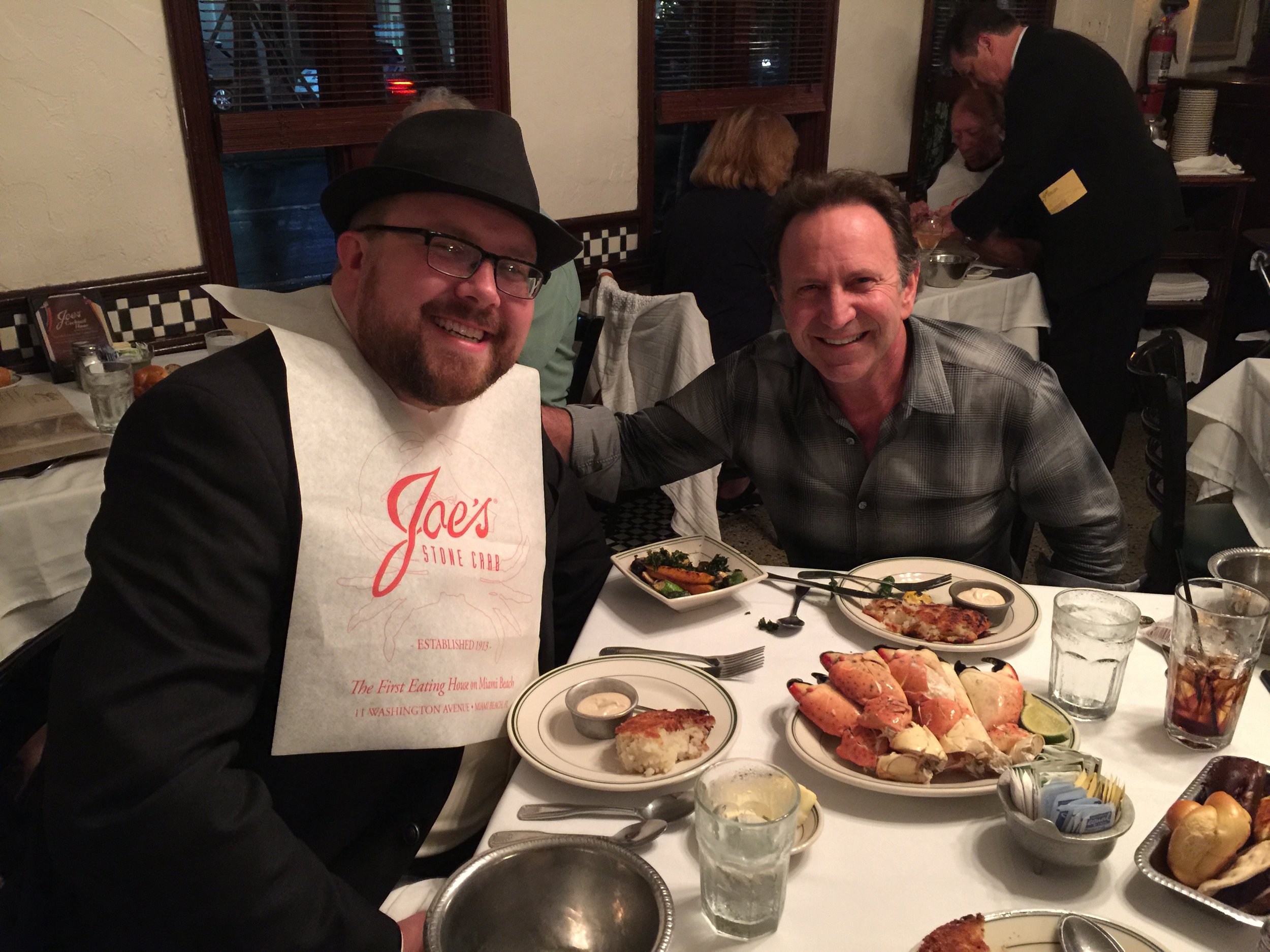
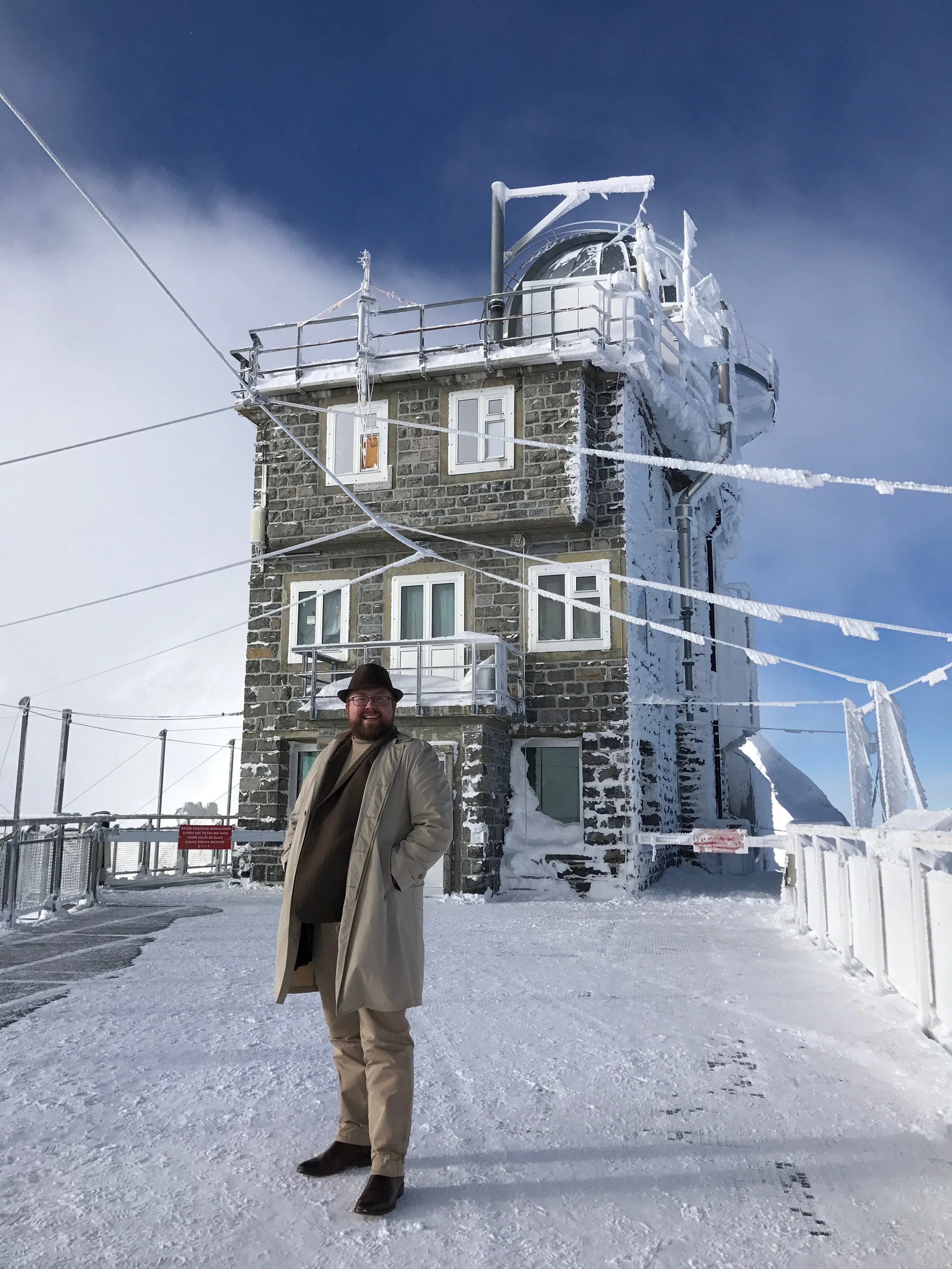
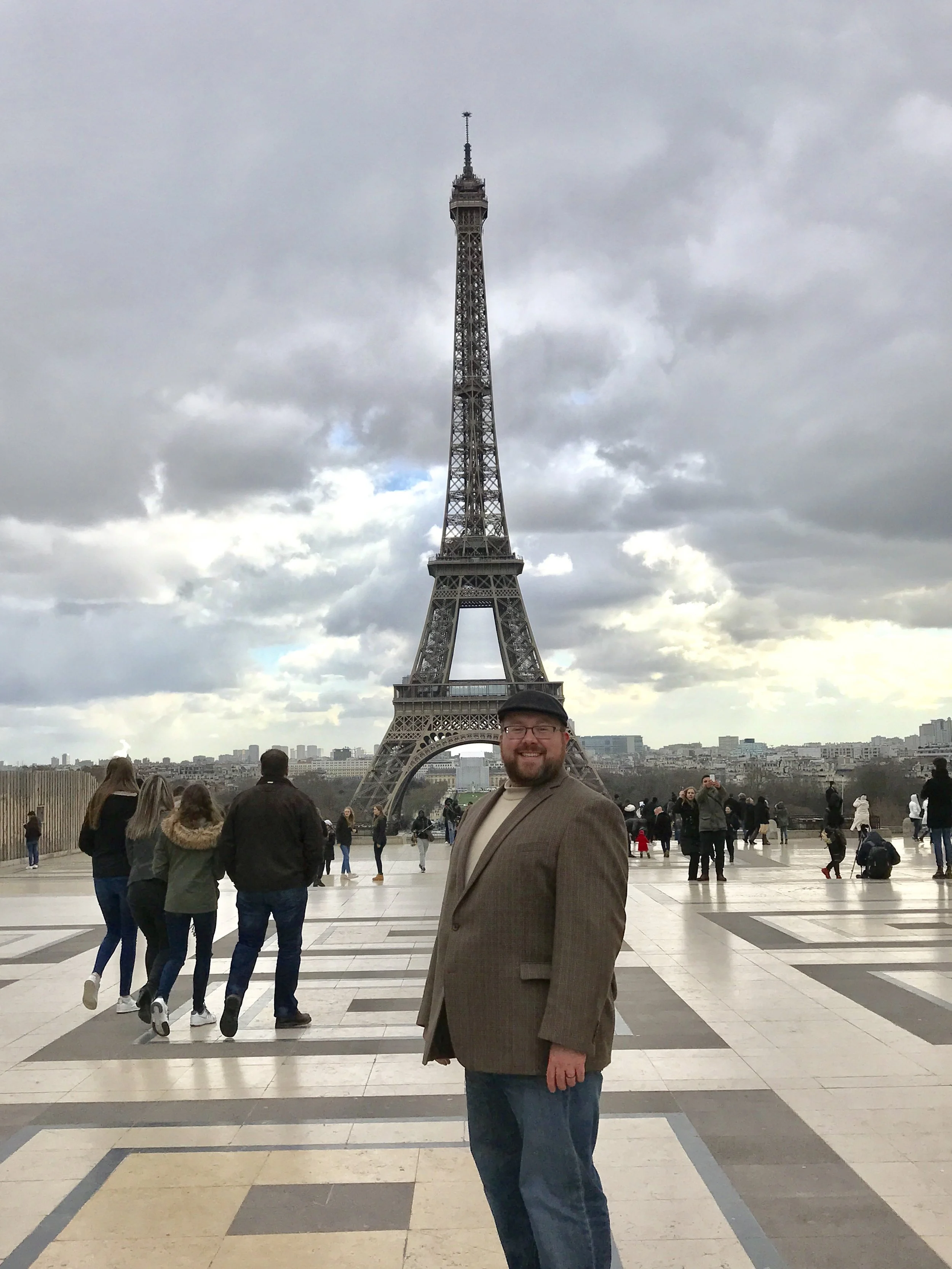
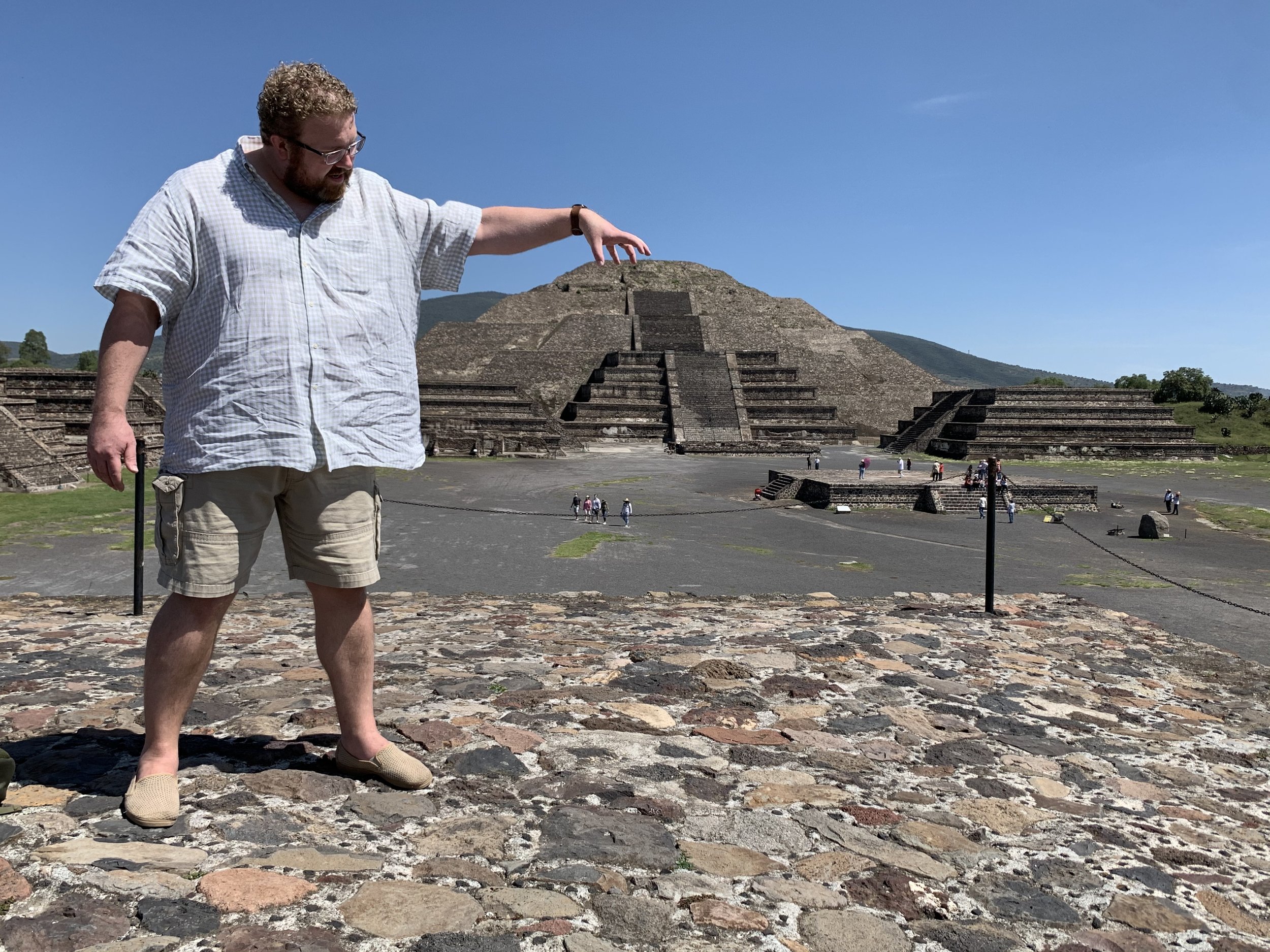
The year before John decided he would one day write a book on Deming, I hung my shingle as a book ghostwriter. Over the next eleven years, my adventures with my clients took me from Malibu to Miami, Boston to Barcelona. I start each ghostwriting project off with a 3-day author retreat. Those retreats have taken me to a chalet in the Swiss Alps, an industrial tech space in London, a business suite in Mexico City, and a villa in Mallorca, not to mention from Miami to Malibu.
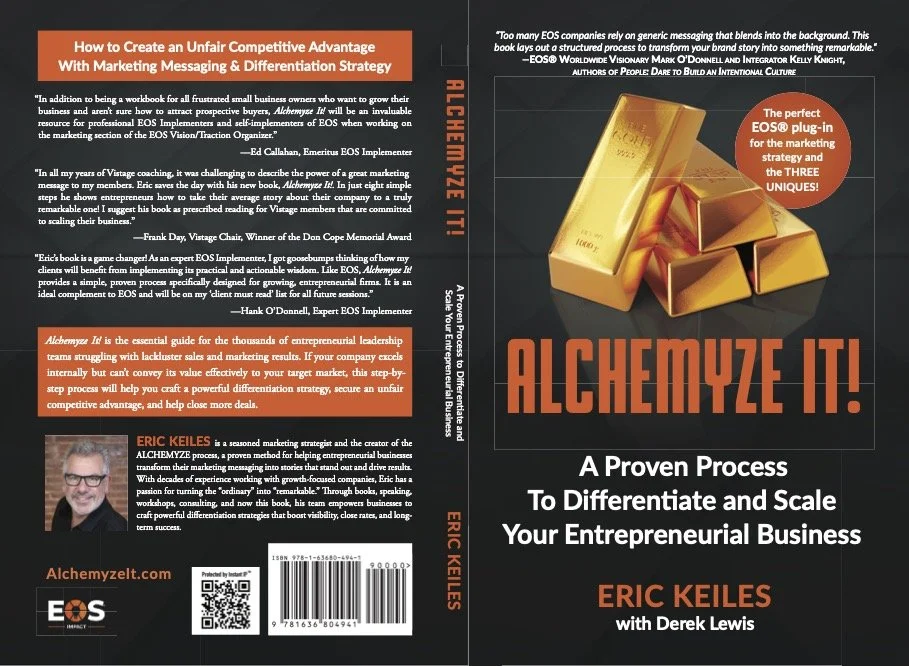
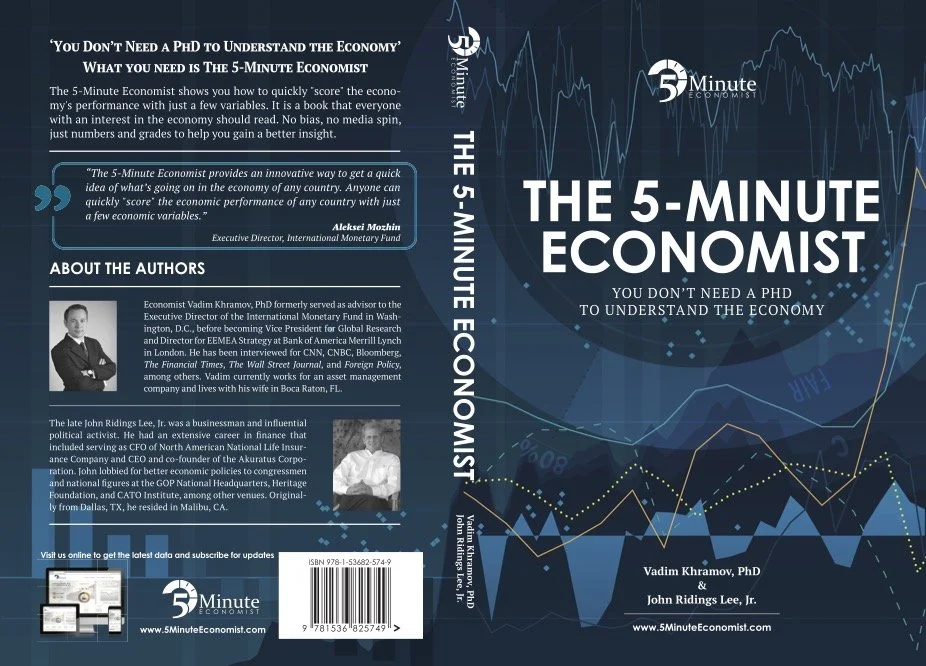
My past clients include a Zumba founder, a billionaire plumber, several tech entrepreneurs, an economist with the International Monetary Fund, a chopper pilot in the Korean DMZ, a DC lobbyist, and a secretive Swedish boutique consultancy.

Then the world went to hell.
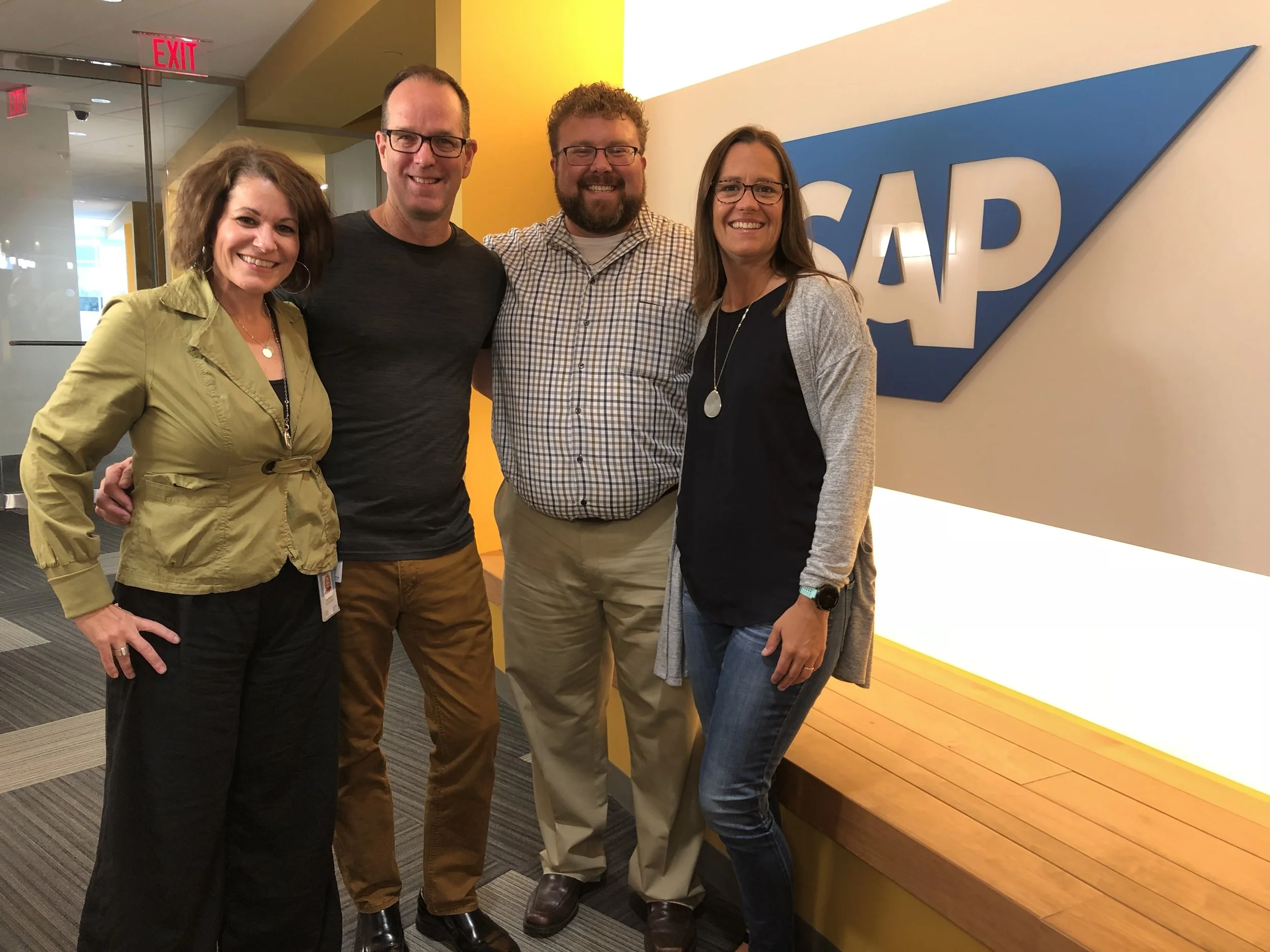
When COVID-19 broke out, John quickly quarantined himself at his lakehouse. With his worldwide travel suddenly curtailed, he found he had an extra 60-plus hours a month free. He decided it was now or never.
He knew he wanted someone to collaborate with. For advice, he reached out to Todd Sattersten, the man who turned tech entrepreneur Gene Kim’s budding book business into a publishing house. Todd sent John a short list of people he trusted who could help. Fortunately, he included my name on that list.
In our first call, I walked John through my Frankendraft framework. He was hooked.
“That sounds fantastic. I talked to a ghostwriting company and they said someone would interview me and then come back in 3 months with a book. I asked if they could do it differently, but that’s how they do all their books. That doesn’t work for me. Not with a book like this. This is perfect. When can we start?”
My next project slot wasn’t for another 11 months.
He couldn’t wait. The book was burning a hole in his soul. He had to get it out. He thanked me and went looking elsewhere. He searched for weeks…and it did not go well. With one ghostwriter, after John explained his idea, the guy wanted to switch from fee-for-service to a royalty split. In talking to another ghostwriting agency, John suspected it was the front for some kind of Russian mafia scheme. (Cool story.) He kept running into such dead ends.
Watching his growing frustration, his precious wife, Vicki, said, “Well, hasn’t it been about a year since you talked to that ghostwriter you really liked?”
Lo and behold, it had. He rang me again and fortune favored us. We started about 6 weeks later.

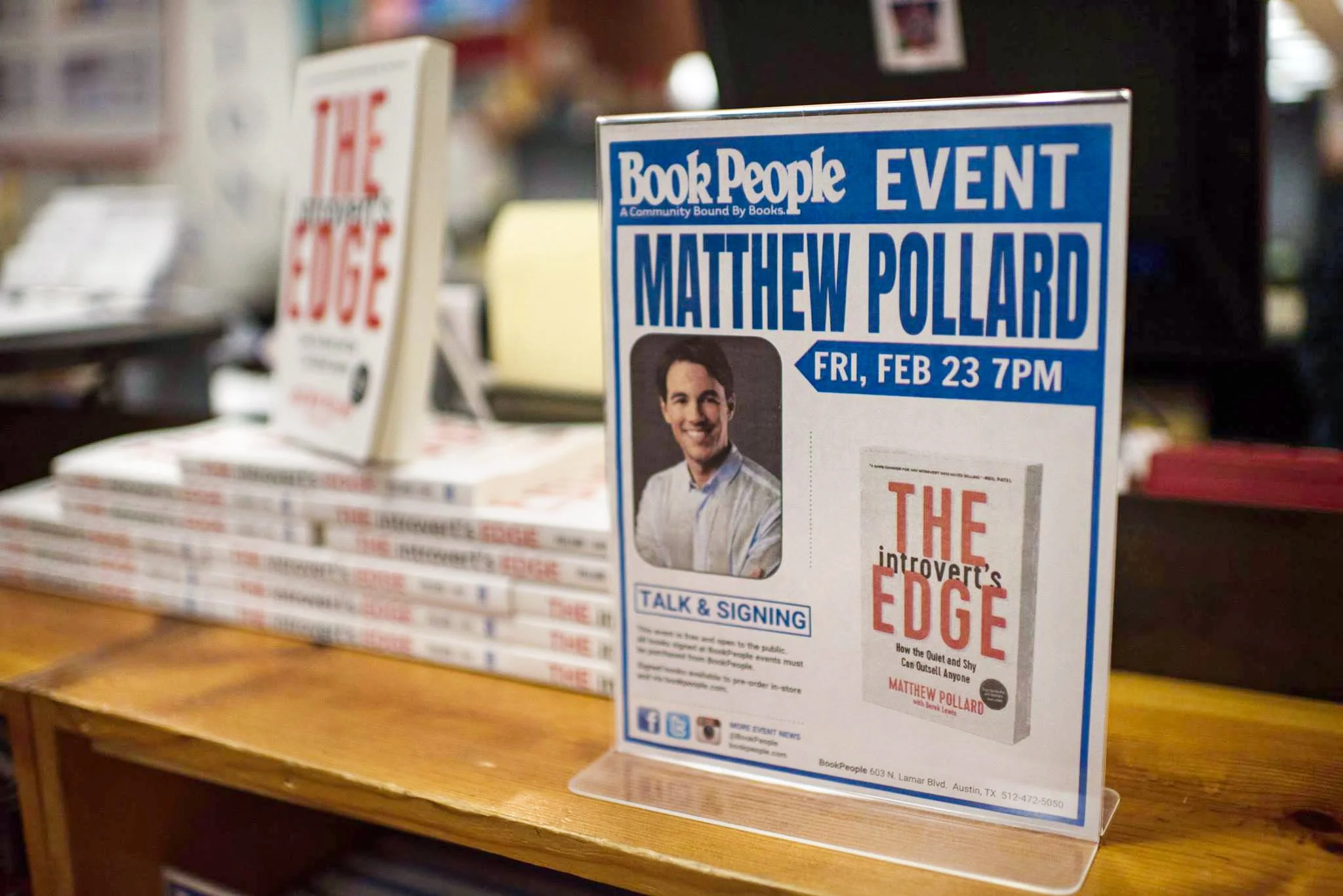
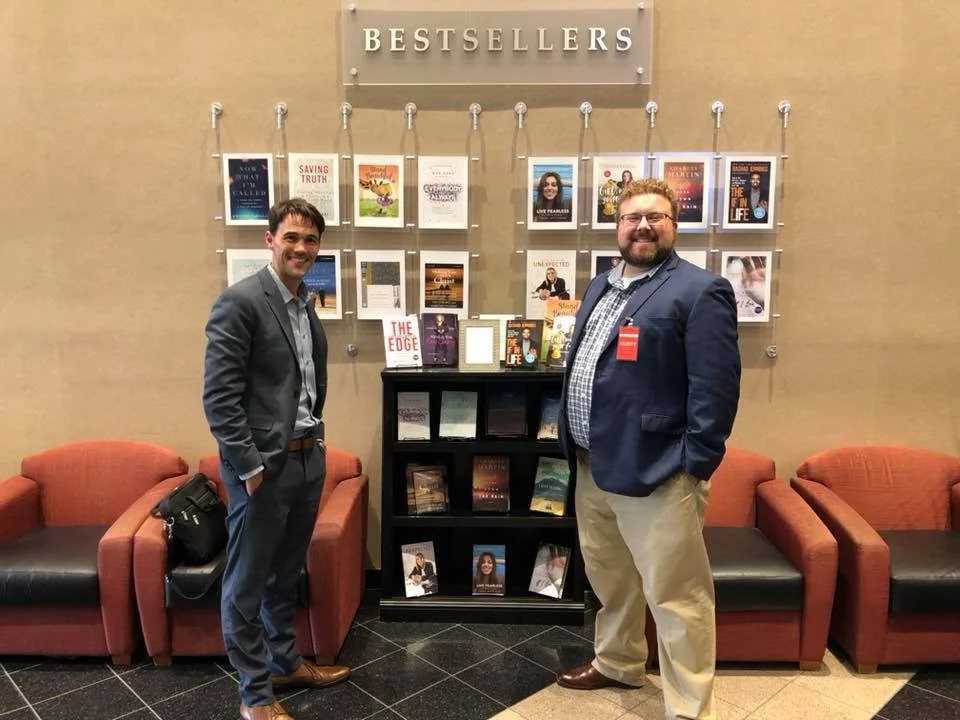
Matthew Pollard's book at an expo
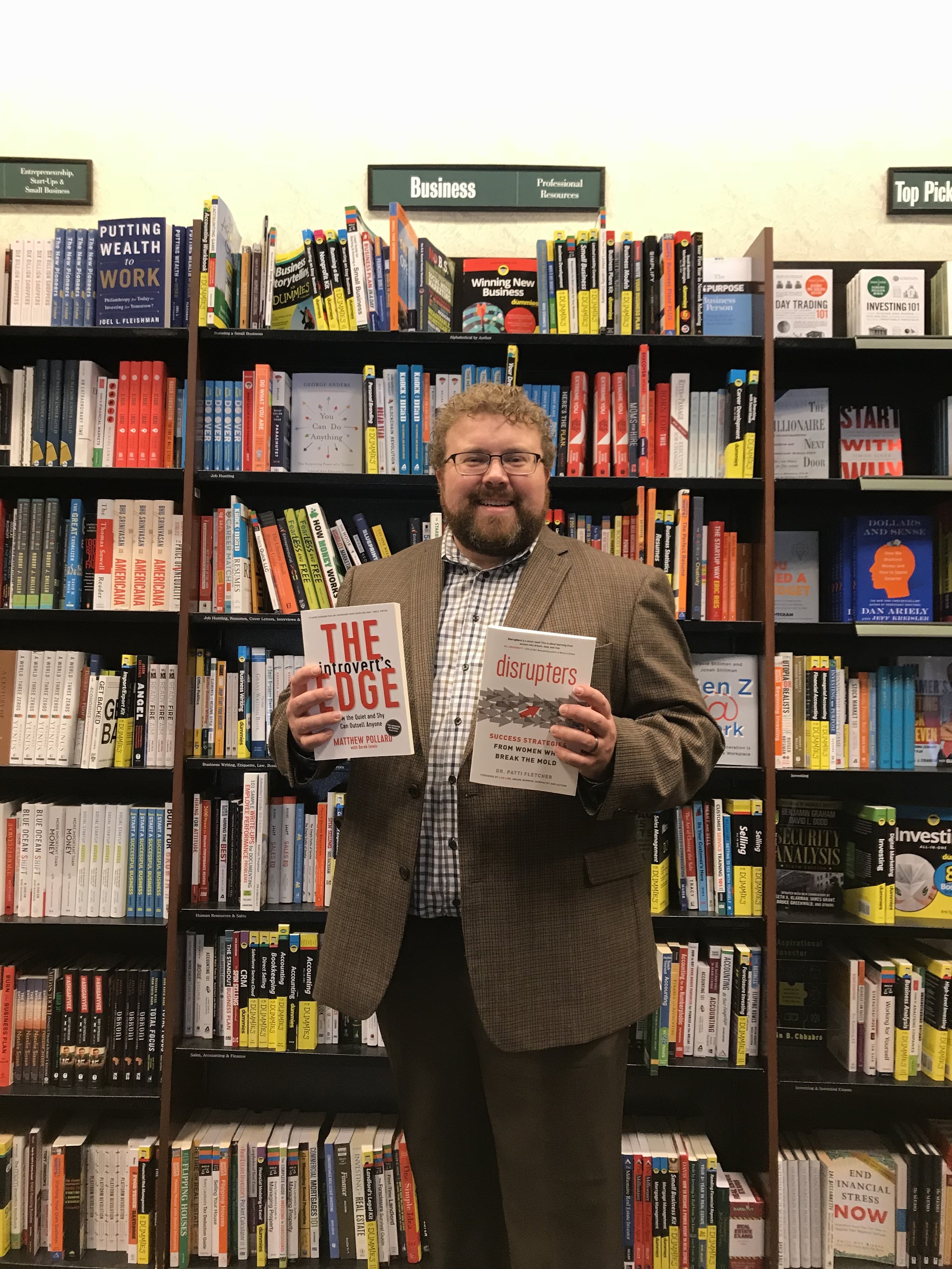
First time 2 authors' books in B&N at the same time
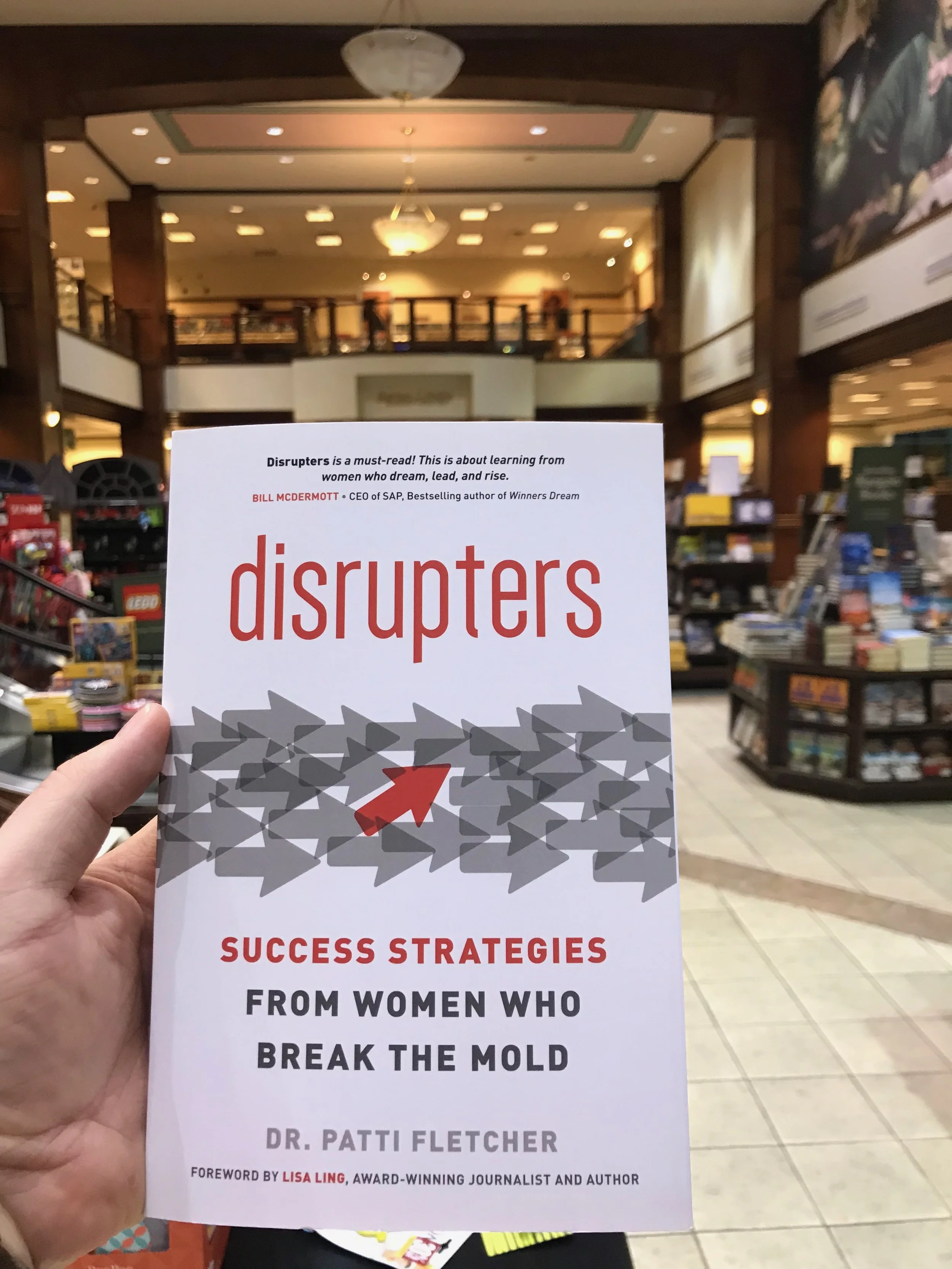
Patti Fletcher's book at Barnes & Noble
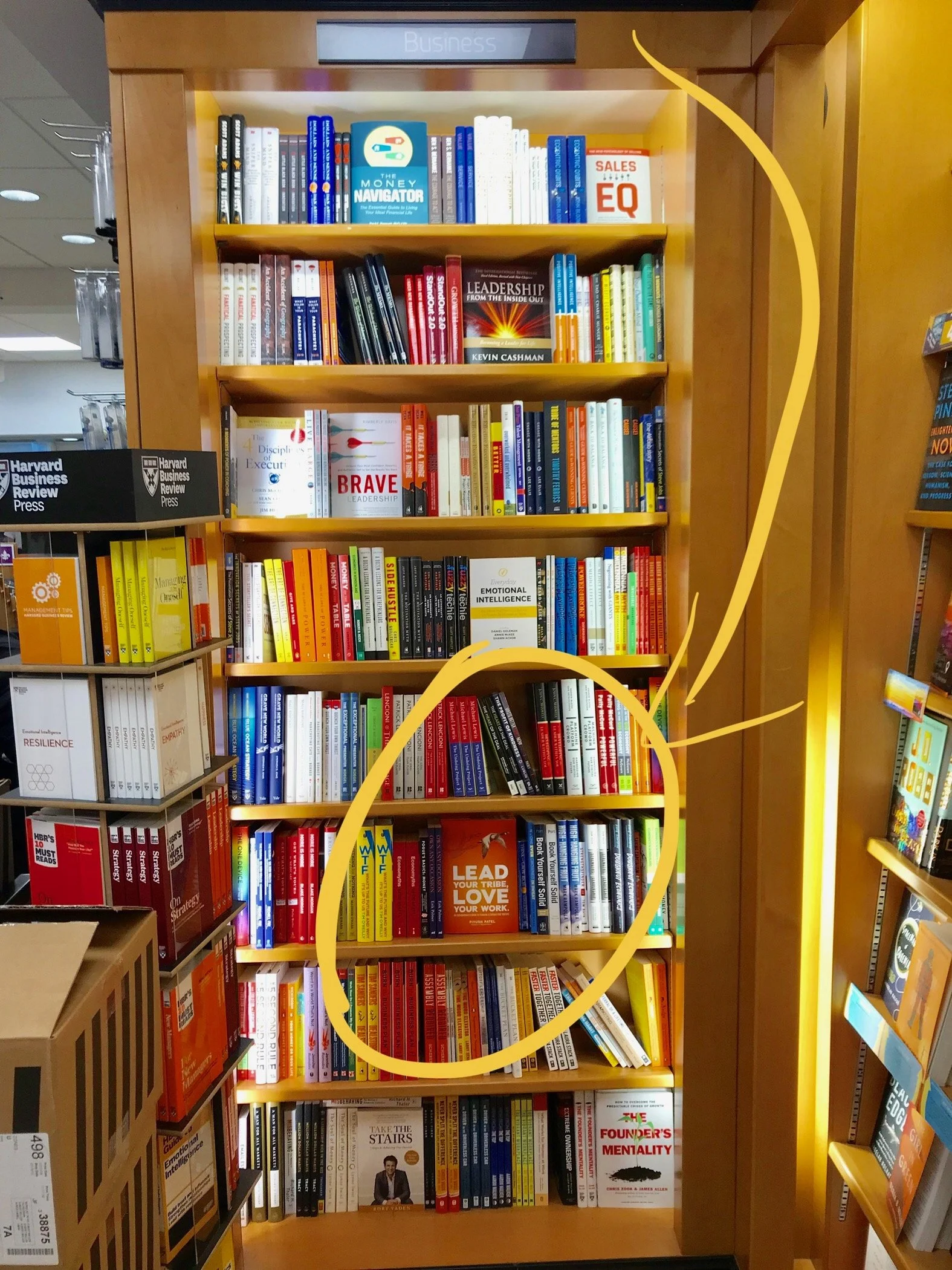
Piyush Patel's book at Hudson's
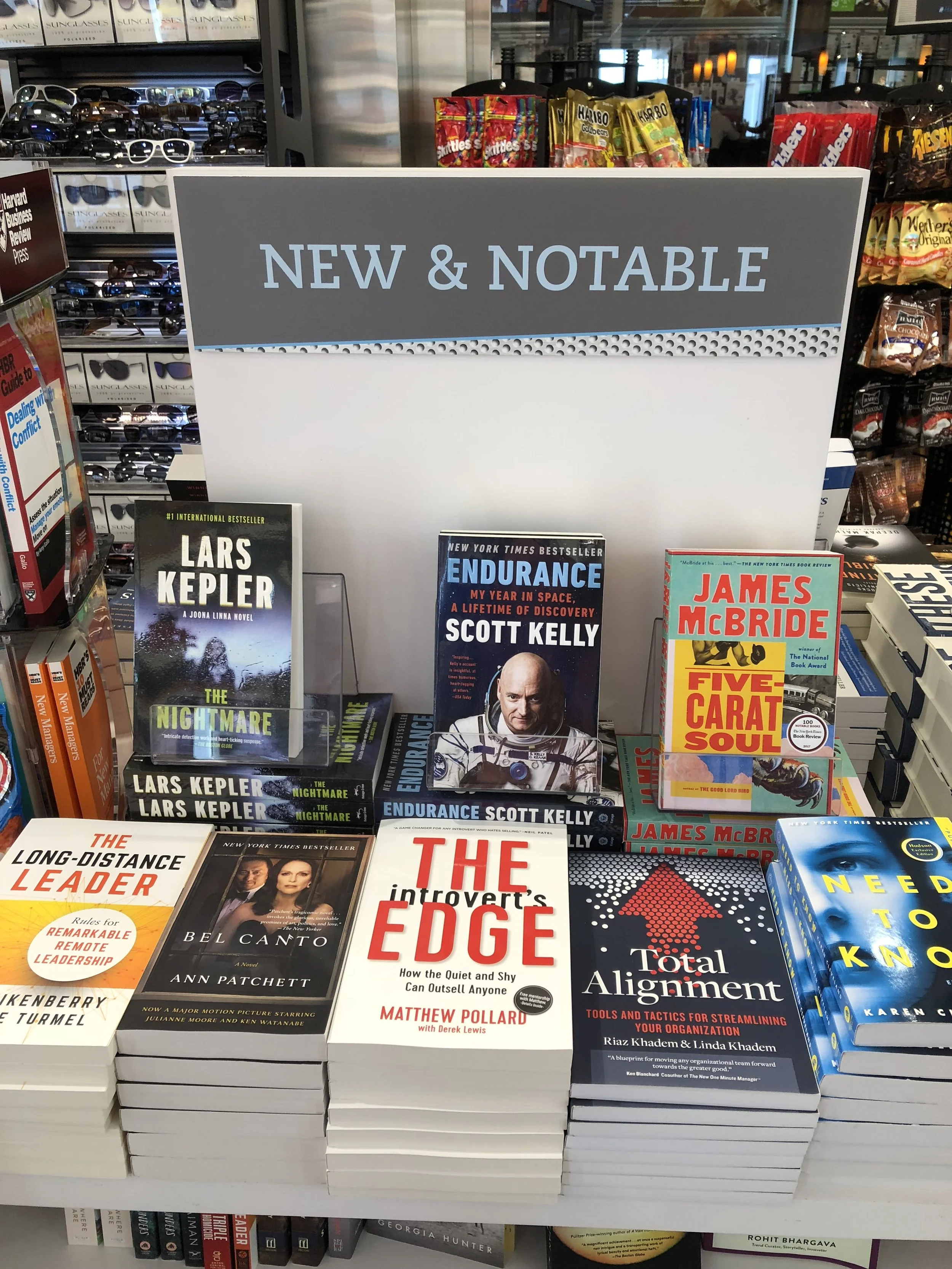
Matthew Pollard's book at airport bookstore
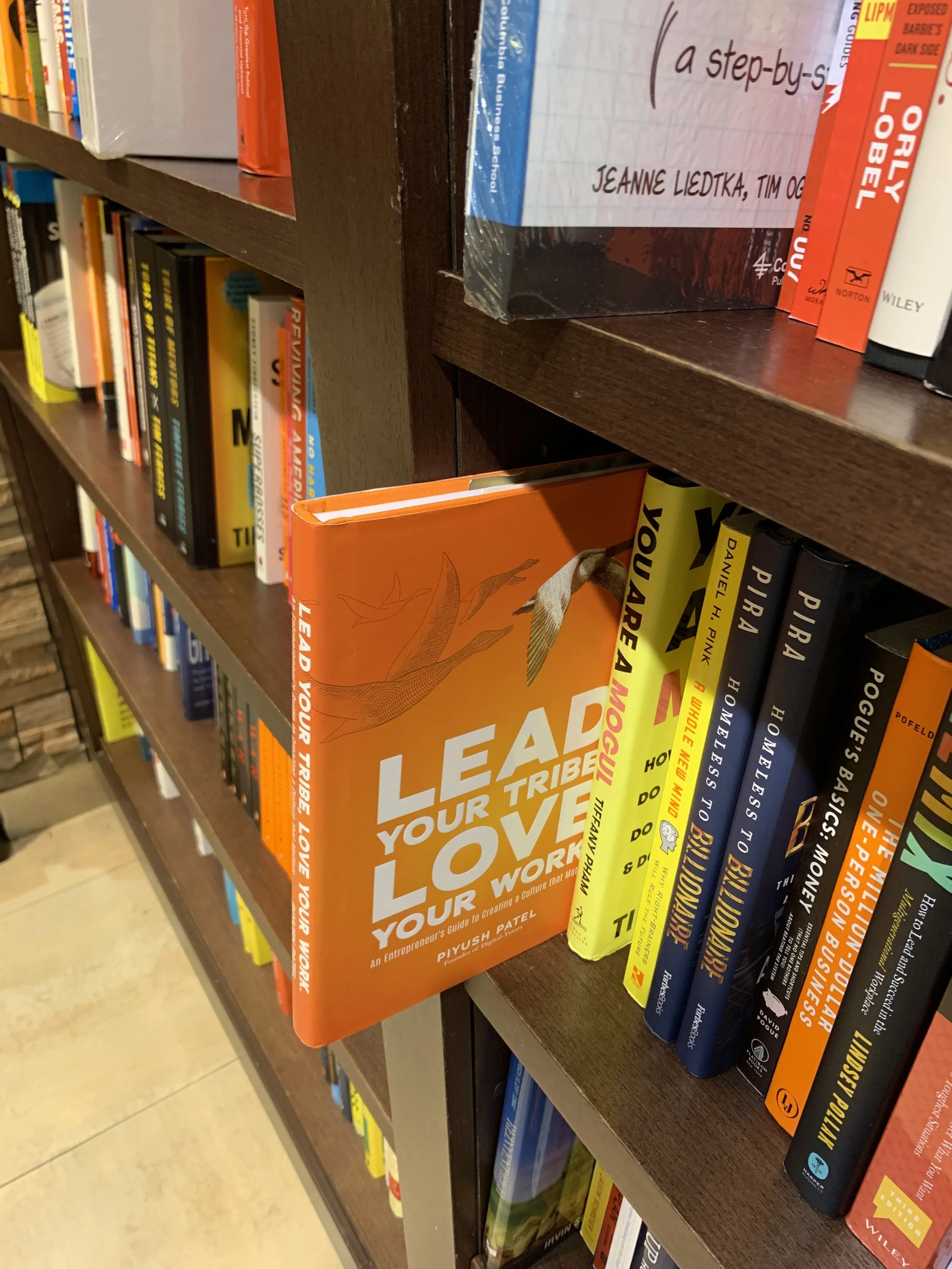
Piyush Patel's book at Barnes & Noble
Frankendraft™, Stage 4: The Rebuild
Once upon a time, I called this step the Rewrite.
Non-professional writers (that is, people like my clients) get nervous upon hearing that word. Rewriting sounds like a lot of work. And for many people, it is. But for professional writers (that is, people like me) writing is not the hard part. Knowing what to write—that’s the hard part.
Or, as Stephen Leacock put it, “Writing is no trouble: you just jot down ideas as they occur to you. The jotting is simplicity itself—it is the occurring which is difficult.”
Instead of the Rewrite, I tried using “the Edit” for a bit, but this stage comprises more than a mere edit. Going back to my mentor’s definition, this would be the point where normal ghostwriting starts. So, calling this step an edit would be a bit of a misnomer.
I settled on the Rebuild. It conveys more than simply an edit but doesn't sound as scary as a complete rewrite. And not all manuscripts require a rewrite. If the author had exceptional clarity of vision in the beginning, this stage was more of a substantive edit than an overhaul. But those authors were the ones who'd refined their ideas over years of teaching and presenting their insights to others; the exceptions, not the norm.
With Profound, while John and I kept much of the content from the second Frankendraft, we reworked the entire manuscript to align with our new vision. Also, the manuscript shrank to 19 chapters. Go figure.
I plan for multiple rounds in Stage 4. Or “passes,” if that’s easier to stomach. Here, it’s easy to see why Frankendraft is about “progress, not perfection.” There were stories that, while they were cool, didn’t significantly advance the arc of Deming’s Journey to Profound Knowledge, as our publisher would later title it.
(However, we loved those stories so much that we decided to self-publish a companion book, More Profound Stories, that included all the content we cut as well as some extra stories we’d come across. That mini-project in itself was pretty cool.)
Editing content we ultimately cut would have been a waste of time. Why perfect something we may end up round-filing? Why polish a piece of prose to perfection only to find it’s perfunctory?
Yet another quote from The Creative Act (and in case you’re wondering, yes, I have read other books on creativity; his just happens to be one of the very best):
“The initial inspiration has a vitality in it that can carry you through the whole piece. Don’t be concerned if some of the parts are not yet all they can be. Get through a rough draft. A full, imperfect vision is generally more helpful than a seemingly perfect fragment. ”
Exactly: A Frankendraft delivers a full if imperfect vision. That’s its whole purpose. From seeing the full picture, we can start making it pretty. Stage 4 is, as I often say, where the magic happens.
In The Business Book Bible, I said, “Writing is about knowing what to say. Editing is about knowing how to say it.” After the lightning strike and quickly finishing the Frankendraft, we go into editing mode.
Editing comes in three blurry flavors:
1. Developmental/substantive/structural/macro editing: Some professionals classify this level as two distinct ones, but again, the lines get blurry quickly. This high level focuses on the big picture. Do we have all the content we need? Is there any writing we don’t need? Are the chapters in the right order? Does the writing logically flow from one point to the next (or “slinky flow,” as my mentor calls it). That is, does the book make sense?
You read earlier that creativity is not linear. Well, neither is editing. While my focus starts with this level, I simultaneously keep my eyes open for opportunities to address the other two types.
2. Line editing: My mentor calls this “musical line editing,” and what a beautiful descriptor. “Okay, the manuscript makes sense…but is it beautiful?” Do the words roll off your tongue? As I wrote earlier, “Edit your writing until it’s so smooth the reader forgets they’re even reading.” Is every paragraph, sentence, fragment, and word as sweet, succinct, and compelling as it can be?
I once edited an author’s manuscript from 80,000 words down to ~60,000 without really changing a thing. It broke his heart to see so much of his hard work go down the drain (it didn’t, but it felt that way), but after reading it, he had to admit the edited version was clearer and more compelling. Saying the exact same thing in 25% fewer words made his book even more convincing and informative. That’s line-editing.
If you go it alone following the Frankendraft Method, don’t despair if you’re not a professional writer. If you can’t hire a professional editor, don’t let it stop you from sharing your insights with the world. As a Chinese proverb says, “Better a diamond with a flaw than a pebble without one.” Your book doesn’t have to be perfect to publish.
Fortunately, John had me, and I do a decent enough job.
(The final level of editing comes in Stage 5. We’ll get there in a minute.)
Could we have spent another round line editing? Yes…but that’s always true. You can always make a piece of writing better. Some novelists spend years polishing their manuscripts into works of art of exquisite beauty.
But Profound was a business book, and at some point, enough is enough. As Rubin says, “The work is done when you feel it is.”
We felt it was done.
Which, of course, it wasn’t. But we have to feel it’s finished before we can move on to the next part.
Frankendraft™, Stage 5:
Pitchforks and Fire
As Dr. Frankenstein brings his creation to life, the villagers storm the castle.
The fifth and final stage of the Frankendraft framework focuses on readying your manuscript for the mob at your door. The angry masses demanding you finally show them what you’ve been working on for months.
Way back in the author retreat, John and I had identified a handful of people to be what I call alpha readers. (I’ve since discovered I wasn’t the first person to riff off what publishers call beta readers. And here I thought I was an original.) Alpha readers are people so invested in your success that they’ll be truthful about how ugly your baby is.
Americans, it seems, have a penchant for avoiding direct criticism. As a society and on the whole, we are conflict avoidant. We don’t like to be the bearers of bad news. I mean, we invented the compliment sandwich, for chrissakes. Sheesh.
The very first people to read your manuscript have to love you enough to be honest with you. Think of a maid of honor telling the bride not to buy a particular wedding dress, even if the bride-to-be loves it. After battling depression for years, an “athletic fit” shirt would make me look like the watermelon in those videos where people see how many rubber bands they can fit around the fruit before it bursts.
Real friends tell us the truth, even when it hurts.
John could have found dozens of people who’d come back to us and say, “Oh, wow, guys. Good job. Loved it.” While encouraging, that feedback’s useless. Less than useless, really, because it would only reinforce us wearing our rose-tinted glasses while reading.
We needed John’s best friend, Curtis, telling us to stop using so many $%@# em dashes. (I’m fairly sure ChatGPT learned to do that from reading my earlier work. I never thought the em (—) dash got enough love until AI hit the streets. Nowadays, people automatically assume AI wrote something when they see that previously unknown punctuation mark. I can’t win for losing.)
All 4 of John’s alpha readers said there was something they didn’t like about Chapter 3, which floored us. The piece on Deming’s time at Hawthorne Works had been one the three anchor stories John had come to me with. After collating everyone’s feedback, we read over it several times.
Some things seem obvious in hindsight. Chapter 3 certainly was. We opened the chapter with a neat story about Tracy’s Rock when a lunar astronaut spelled his daughter’s initials in moondust just before leaving to come home. The man’s mother had paid for his education, in part, from her years on the assembly lines at the Hawthorne Works factory.
Fascinating fact.
Superfluous story.
We polled one of the alpha readers whether removing it would solve their problem with the chapter. After quickly looking over the chapter again, they came back with an enthusiastic, “Yes!”
And this is why we have alpha readers.
With all their feedback—what sections needed more clarity or explanation, where we'd missed an opportunity to share something cool, a content gap we overlooked because, and such—we moved on to…

Frankendraft™, Stage 5b:
The Read-Through
The final rule of Frankendraft is, “We have to read the entire manuscript word for word, from beginning to end…out loud.”
I have a few reasons for instituting this rule. One of the most important is that reading the words aloud activates a different part of the brain. It allows us to perceive the manuscript with a different part of our conscious mind. It forces us to slow down, to literally hear every word.
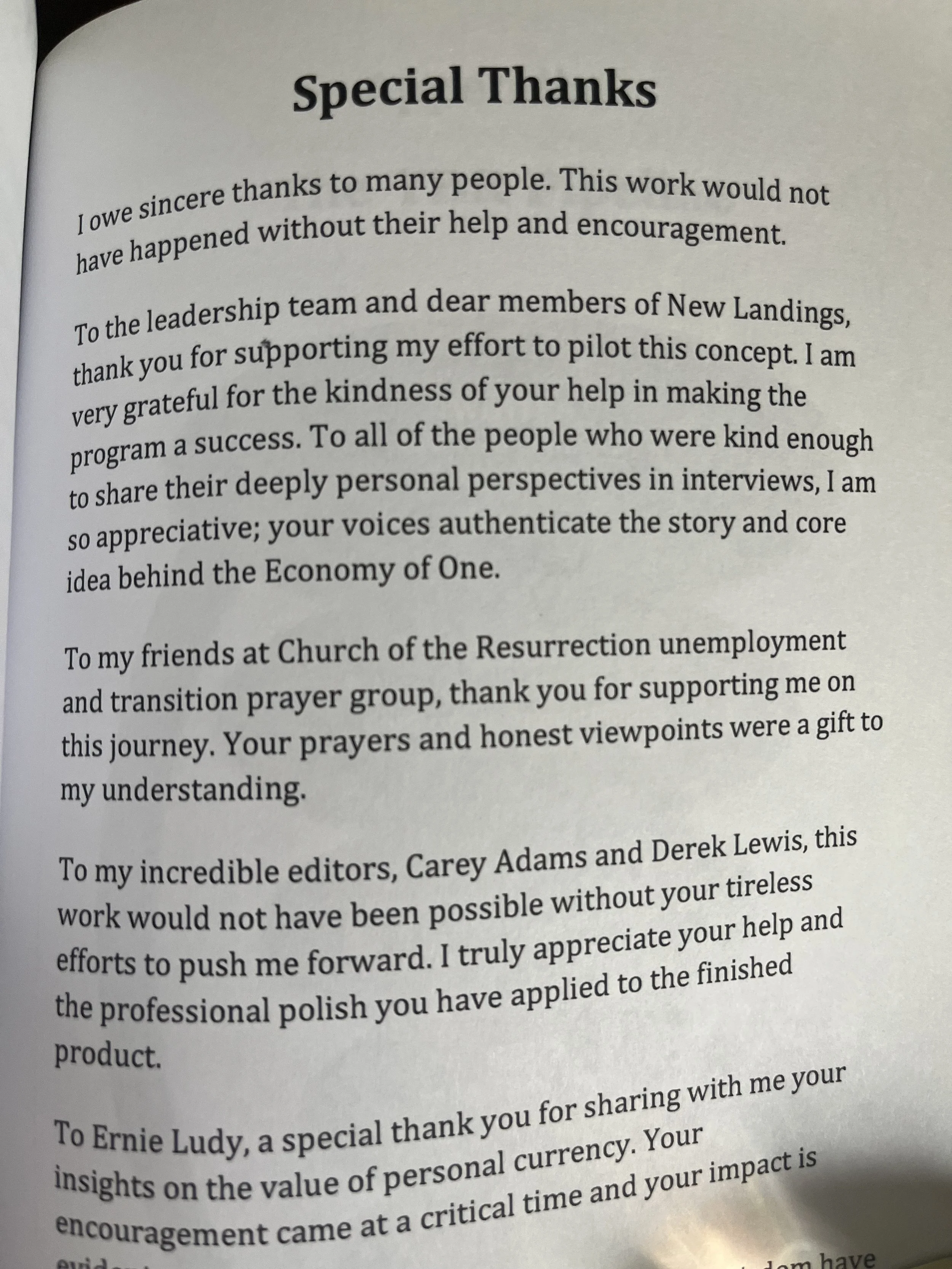
My inspiration for the rule came from working with Matthew Pollard on The Introvert’s Edge. Misdiagnosed at an early age with dyslexia, Matthew actually has Irlen Syndrome, a particular sensitivity to light that makes it incredibly difficult to process words on a page (or screen). So, instead of reading my ghostwriting, Matthew loaded each chapter into his text-to-speech program. It made him see (hear?) his book in a different light, generating great ideas and further refinements. Also great for the third level of editing, called copyediting.
Most people simply call it proofreading. To quote Gloria in Modern Family on real estate agents vs. realtors, “There is a difference somehow!” For simplicity’s sake, you copyedit before sending it to the typesetter. After that, it’s proofreading.
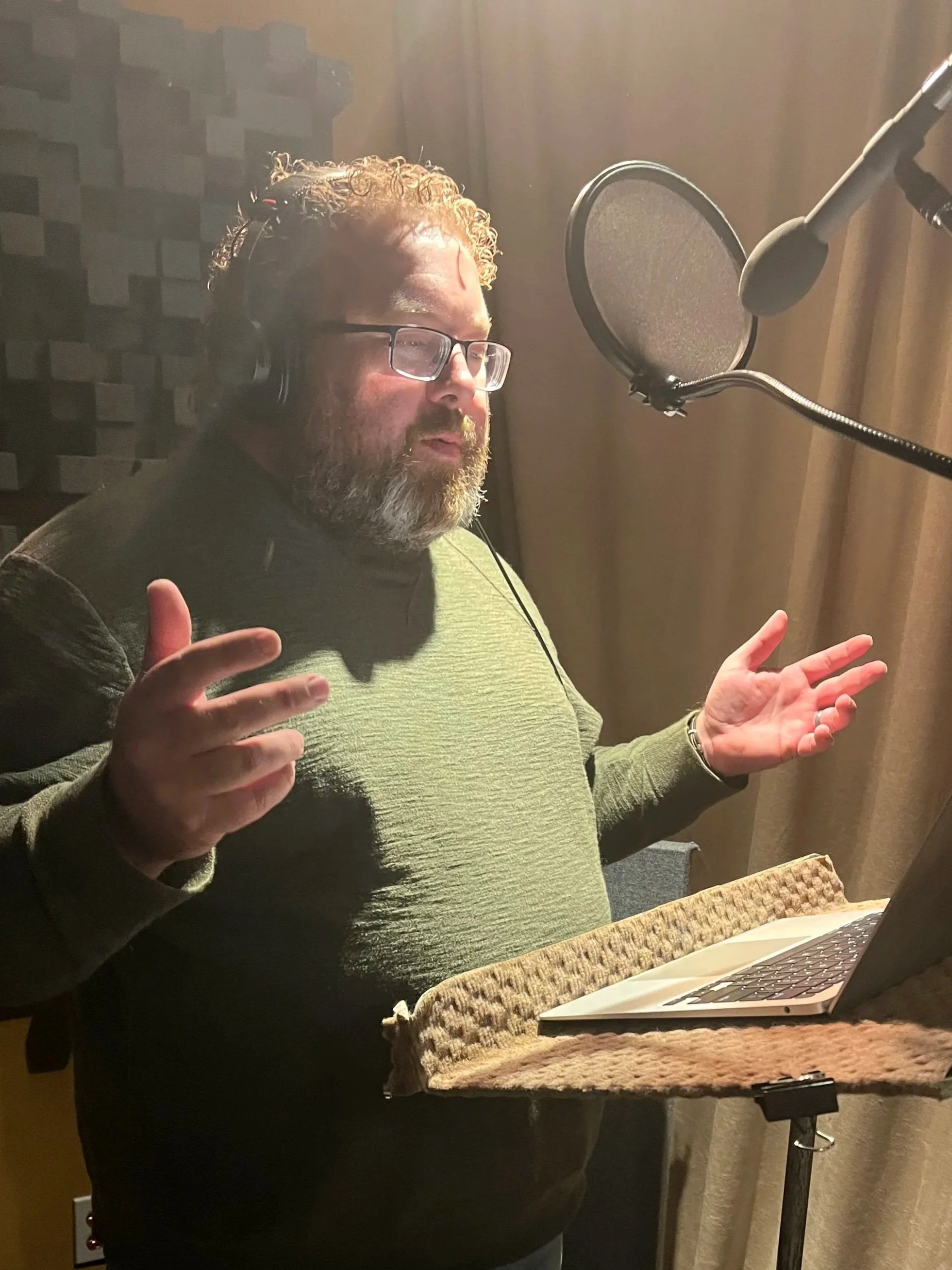
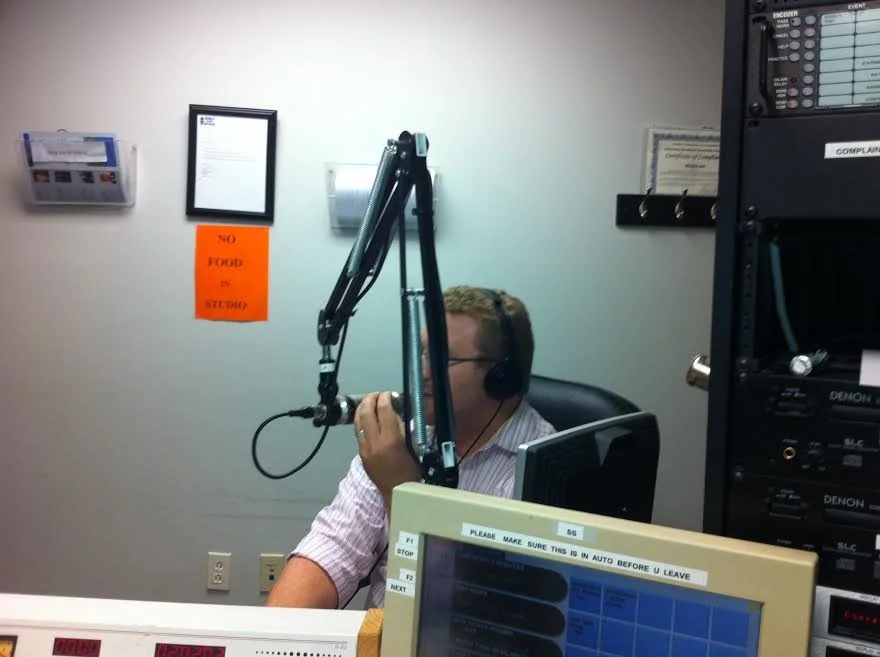
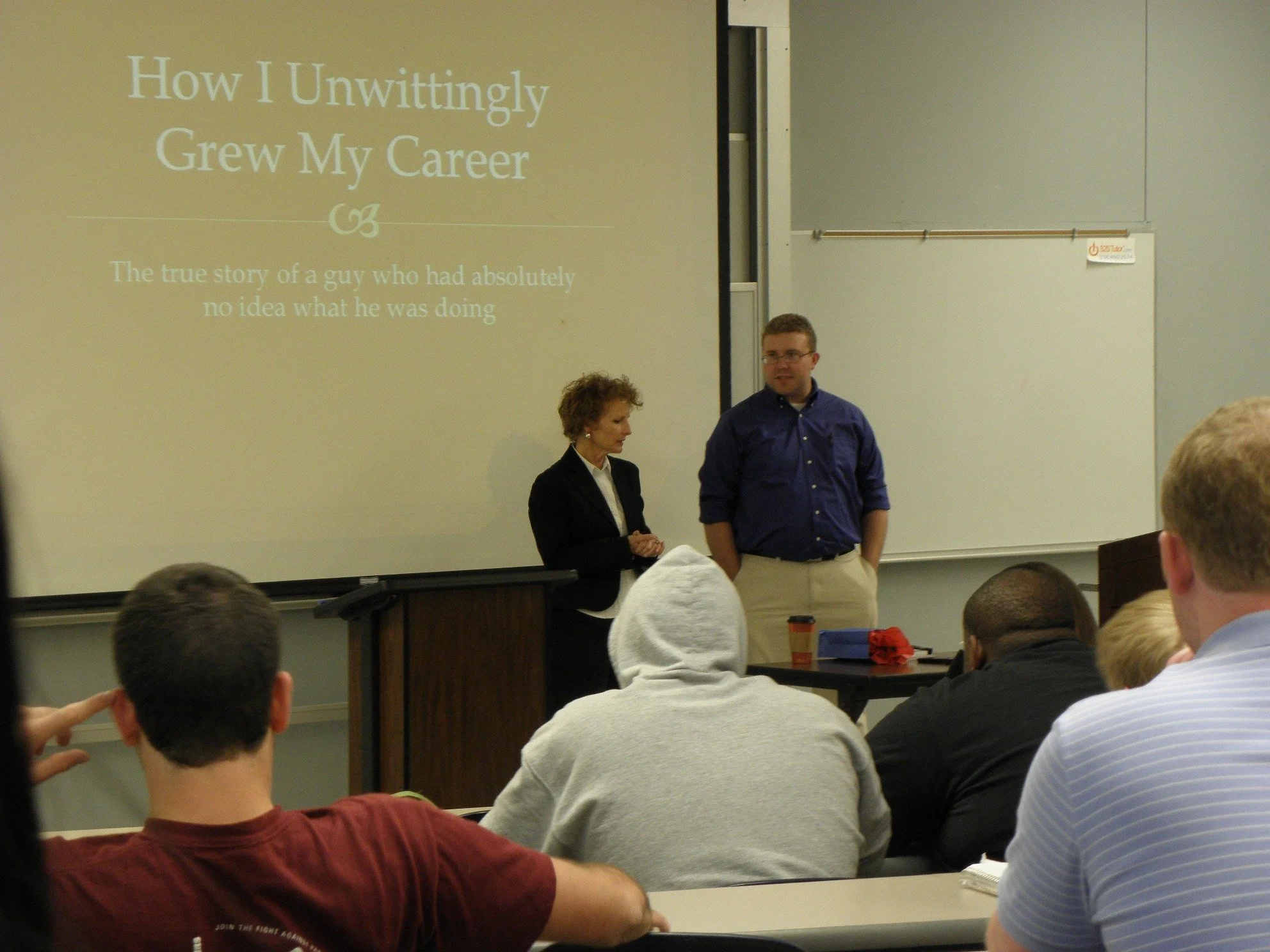

Spread over two or three days, the Read-Through allows:
me to do another line editing pass
the author and I to discuss each piece of feedback as part of the whole (instead of examining an isolated paragraph, for example)
my author the confidence that every line, sentence, and word is exactly what they want it to be
And it’s just a great way to end a project.
Of course, it didn’t end there.
Frankendraft™, Stage 5c: Production
Different ghostwriters bow out of the author’s journey at different points.
Traditionally (that is, in the nineties and about a century before that), somewhere around this time, the author would hand their manuscript to their publisher. The author and ghostwriter would shake hands and go their separate ways.
Me? I’m with my author for the entirety of the book’s journey.
With Profound, we had a great publisher. As part of their process, the publisher brought in a wonderful editor, which we welcomed. At this point in a project, I’m blind to the book’s flaws. I may not be the proud poppa, but I am the midwife who helped birth it and the nanny who took care of it in its infancy.
Writing may be an art, but publishing is a business.
When working with a publisher, the explicit goal is to sell as many books as possible. A dance between the author and their publisher does take place. A publisher, for instance, almost always reserves the right to title the book. For good reason: A good title can sell a book all by itself.
In our case, IT Revolution proposed the title Journey to Profound Knowledge with a subtitle similar to what we settled on. (I can’t find the exact proposed original.) We suggested Deming’s Journey to Profound Knowledge to which they readily agreed.
While getting the editor’s marked-up manuscript smarted a bit, it was precisely what the doctor ordered. Like me trimming that other manuscript from 80k words down to 60k, the book had some fat that could stand to be cut out. In addition to the substantive editing, she did a wonderful job further line editing and catching an embarrassing number of “copyediting opportunities,” as I euphemistically like to call my dumb mistakes.
IT Revolution also had a more stringent policy regarding source citations than other publishers I’ve worked with. That meant going back through the books, ebooks, web articles, print-outs, and interviews to create several hundred additional footnotes. Quite an invaluable lesson for me and a challenge I’m grateful I had.
Whenever an editor, proofreader, or anyone else sends back a client’s manuscript, they do it with MS Word’s track changes option turned on, meaning I can see exactly what they changed. I go through every single edit to ensure it aligns with my author’s vision. For 98% of those edits, I simply hit “accept.” For 1%, I hit “ignore.” For the remainder, I get on the phone with my author to discuss how we want to address the suggested change.
For these edits as well as all the feedback from our Alpha Readers, we have three options:
accept as-is
separate the proposed solution from the perceived problem, then decide whether there’s a better way to fix it
ensure we completely understand the issue raised before ignoring it altogether
There may be a few back-and-forths with the editor and/or publisher, but that’s pretty much it.
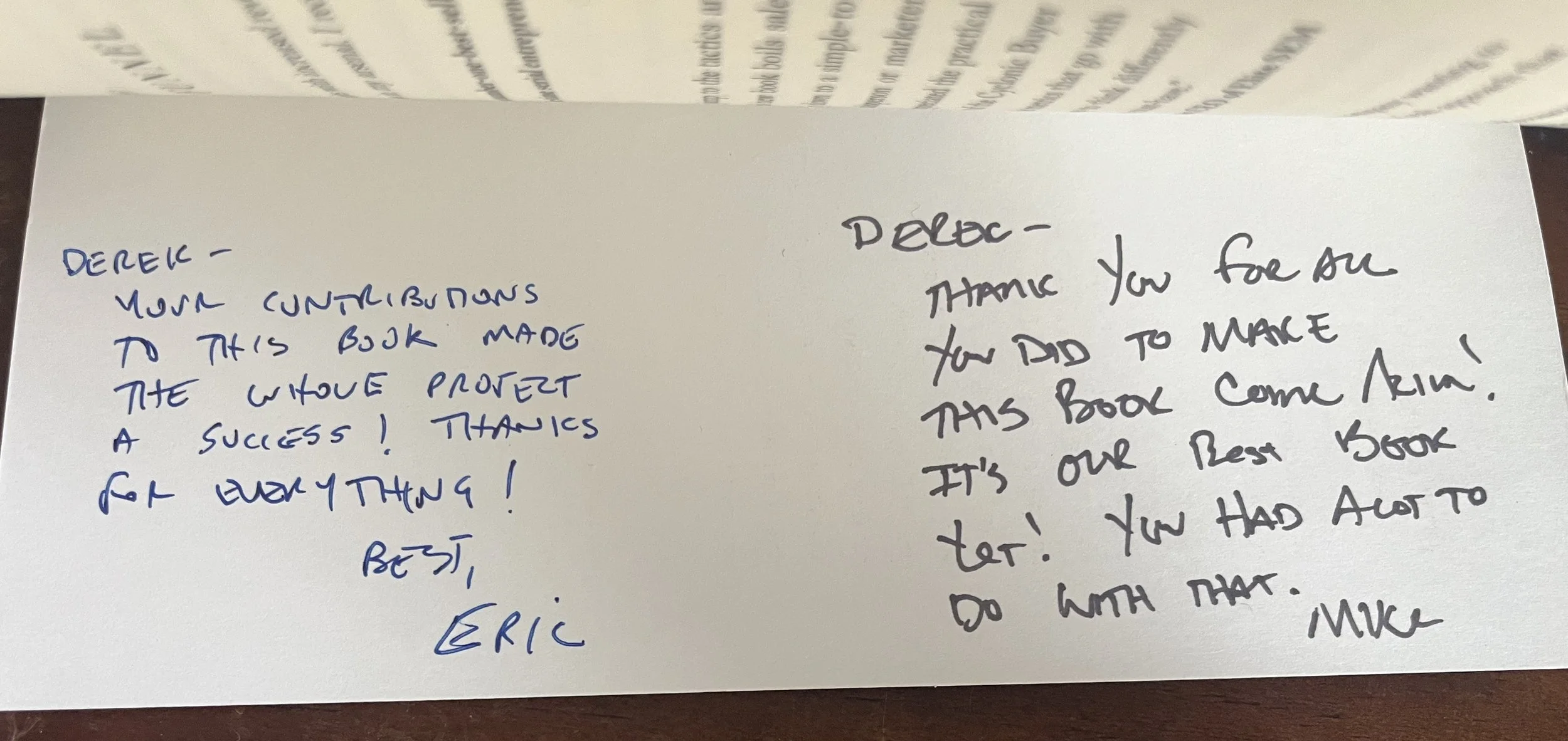
John and I did all this for Profound, and bittersweetly submitted the final, production-ready manuscript to the publisher. Our journey together had come to an end.
Except it hadn’t.
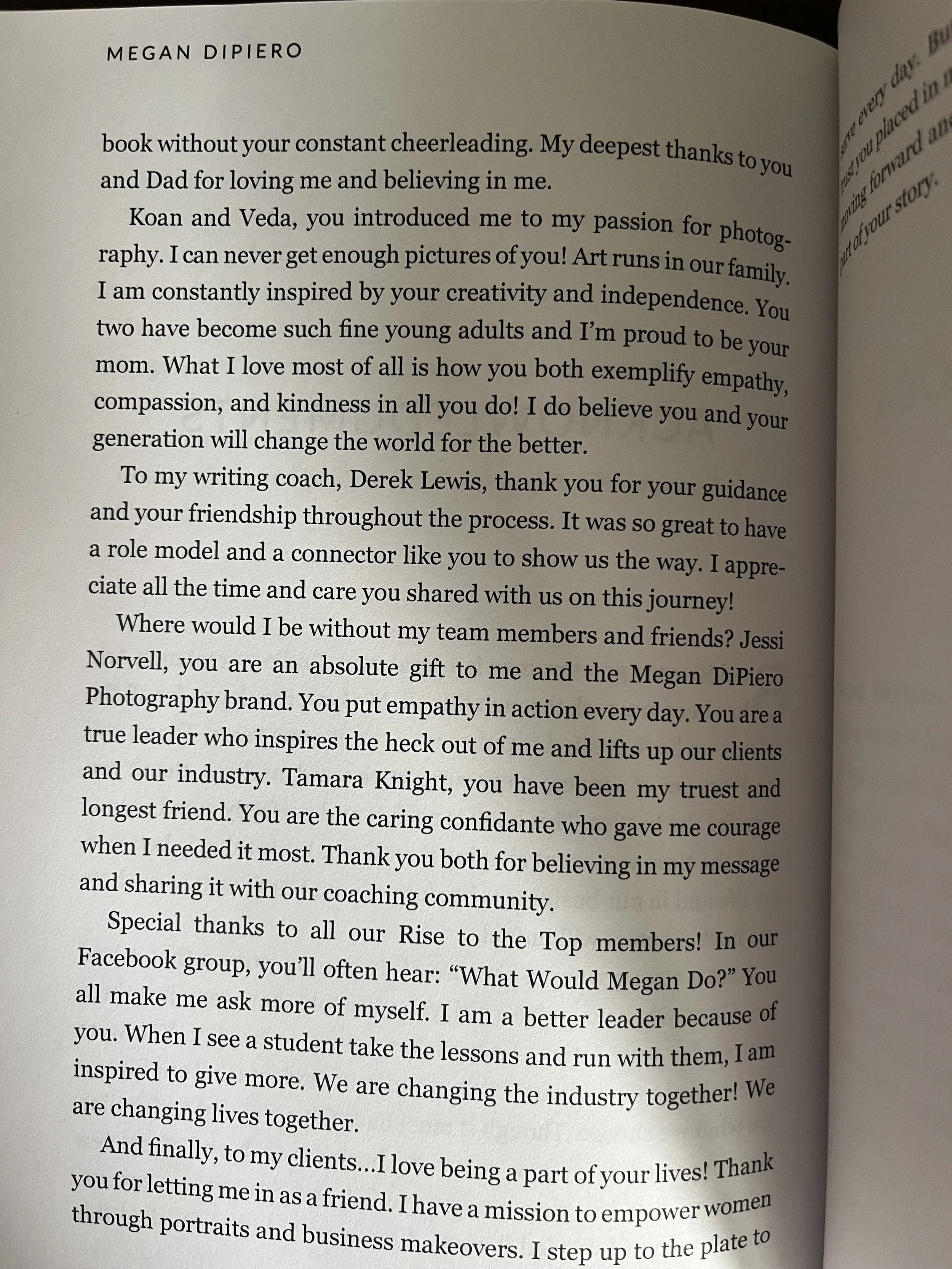
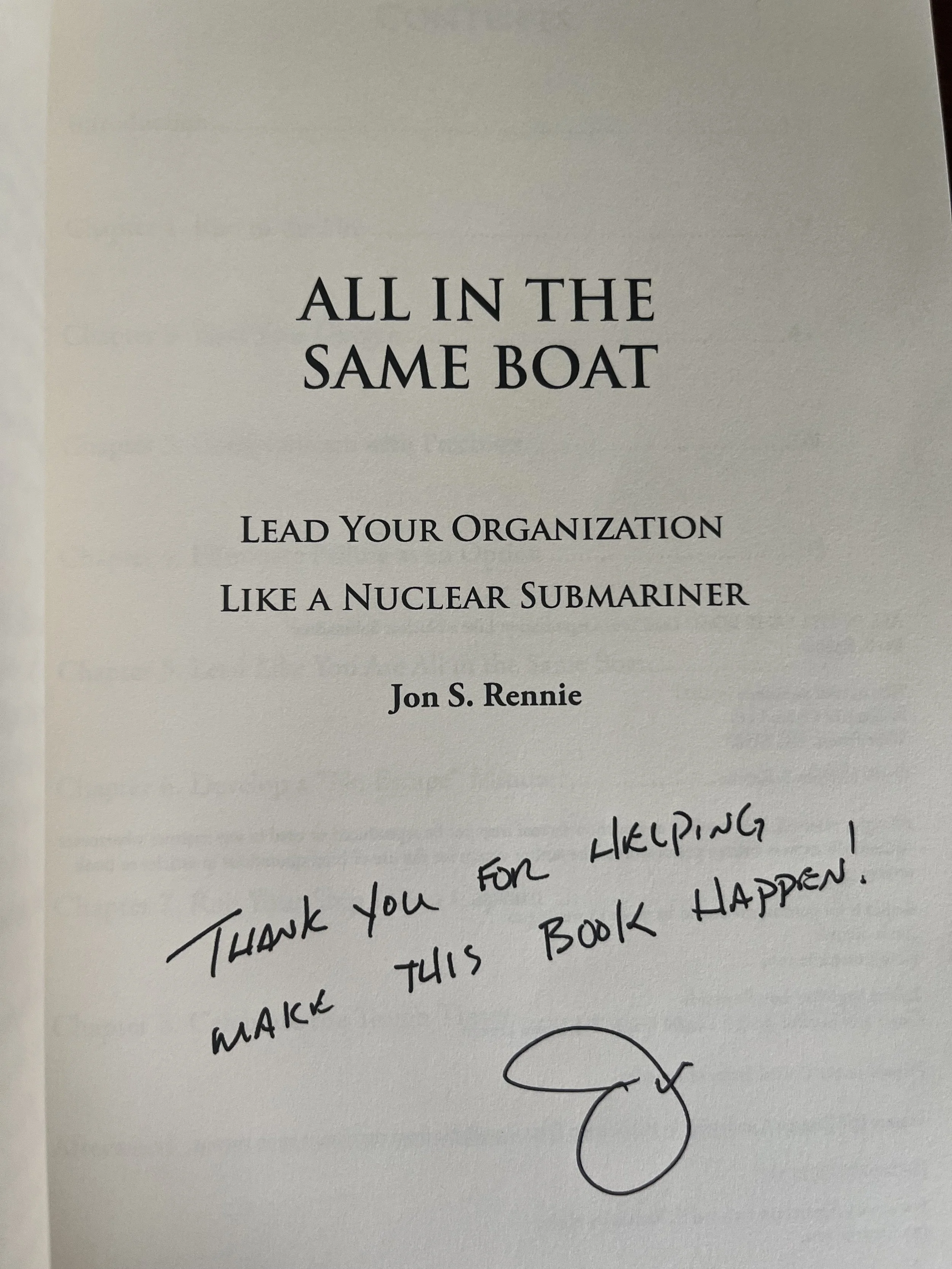
Life After Frankendraft™
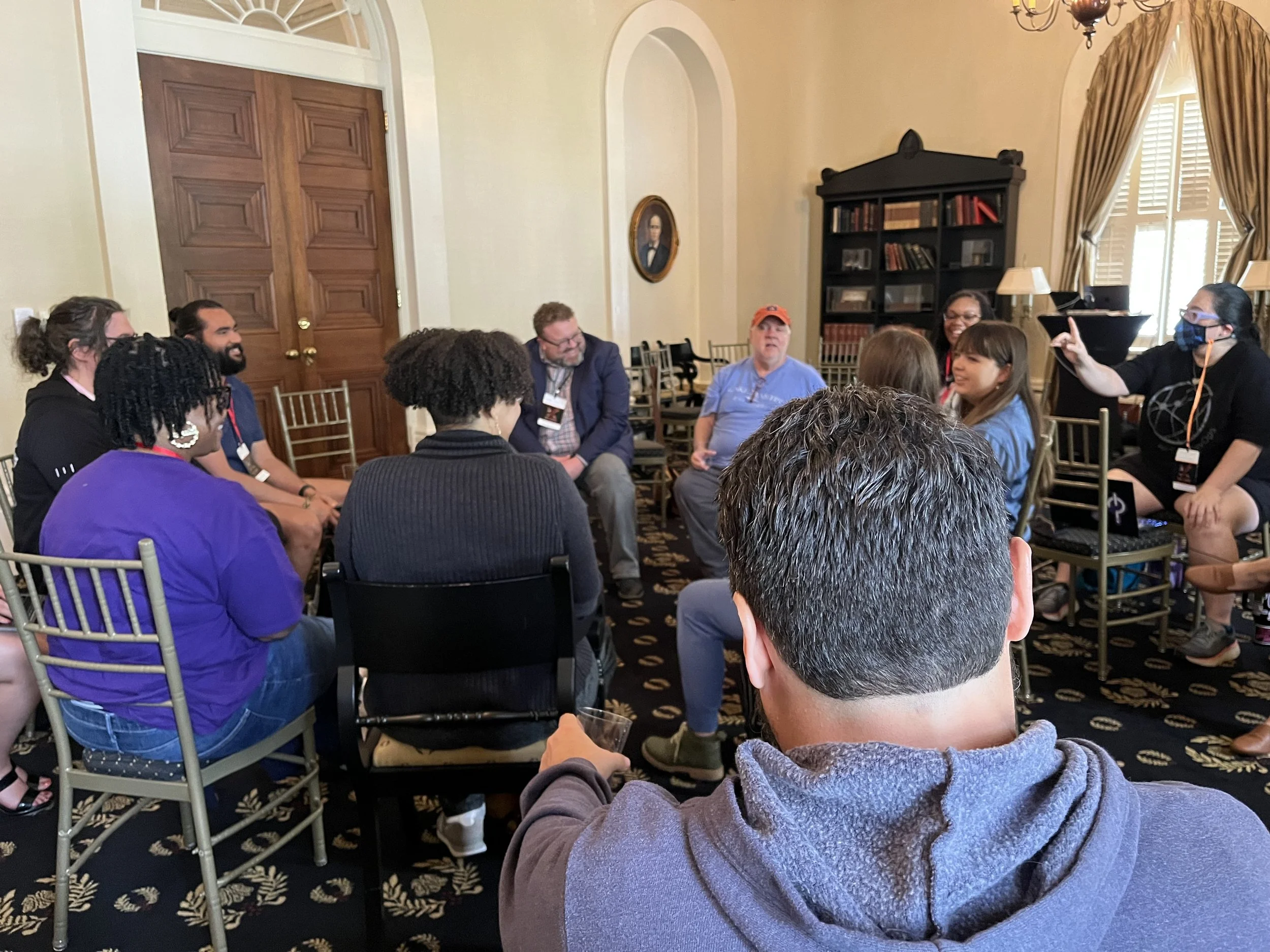
There’s a whole world of professions, tasks, and coordinating to turn a production-ready manuscript into the retail product that is a book, but the Frankendraft framework stops there.
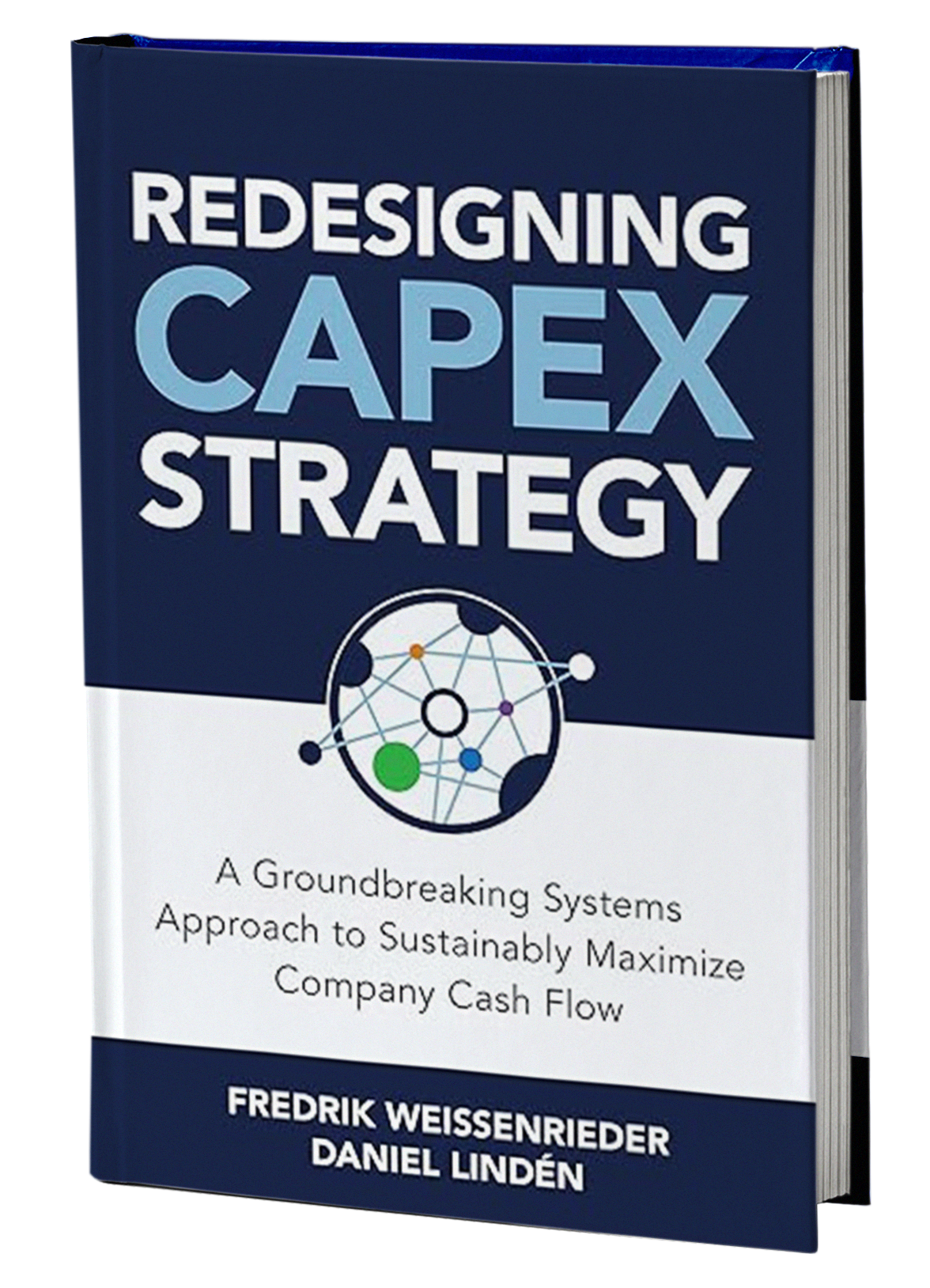
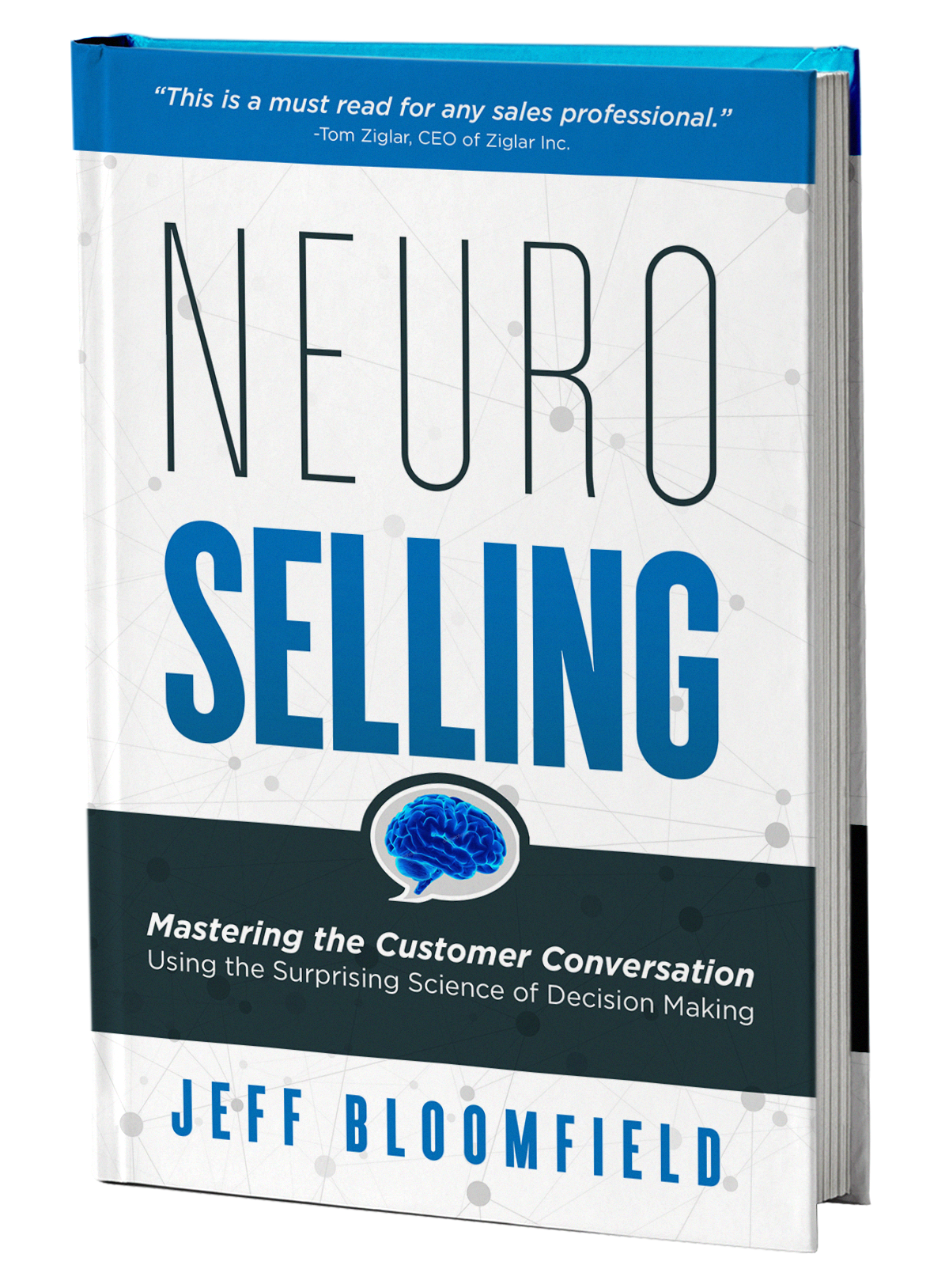
Cover design, typesetting, copywriting, printing, foreign rights, distribution—that’s generally where the machinery of the publishing industry picks up. Generally, all of this has to happen, whether you land a traditional publisher like McGraw-Hill (Redesigning Capex Strategy), choose a boutique publisher like IT Revolution, decide on a hybrid publisher like Greenleaf (Lead Your Tribe, Love Your Work), or self-publish (Neuroselling).
While I don’t provide any of those services, I happily recommend and refer for anyone. For full ghostwriting collaborations, I’m in your corner the whole way. Feedback on cover design, typography, cover copy, or however else I can help. I am, after all, an expert on my own opinion. That’s what I did with John and Profound, from his concepts of an idea to holding it in his hand, I walked with him the whole way.
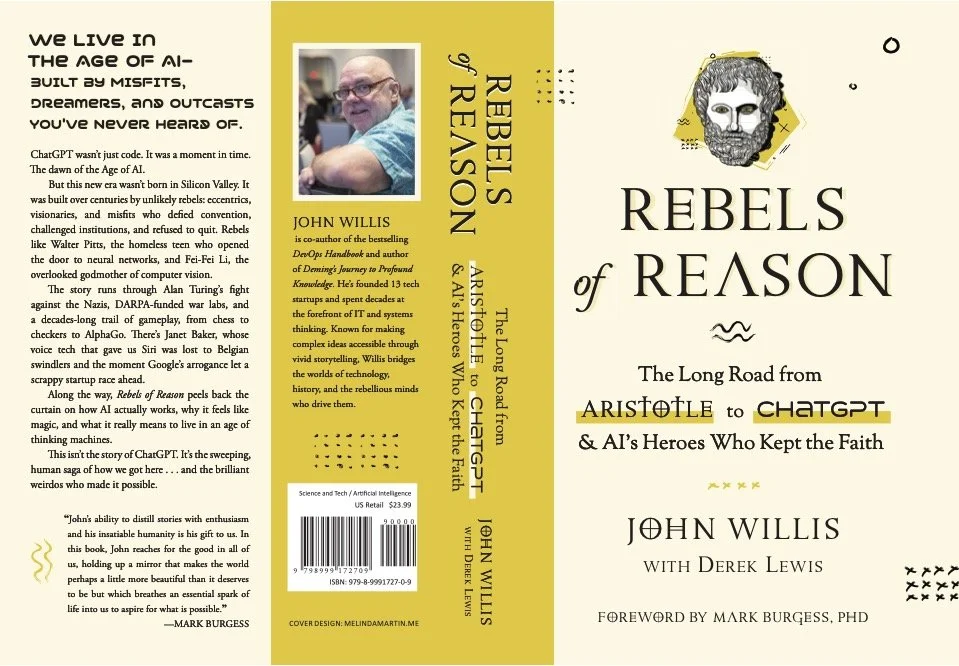
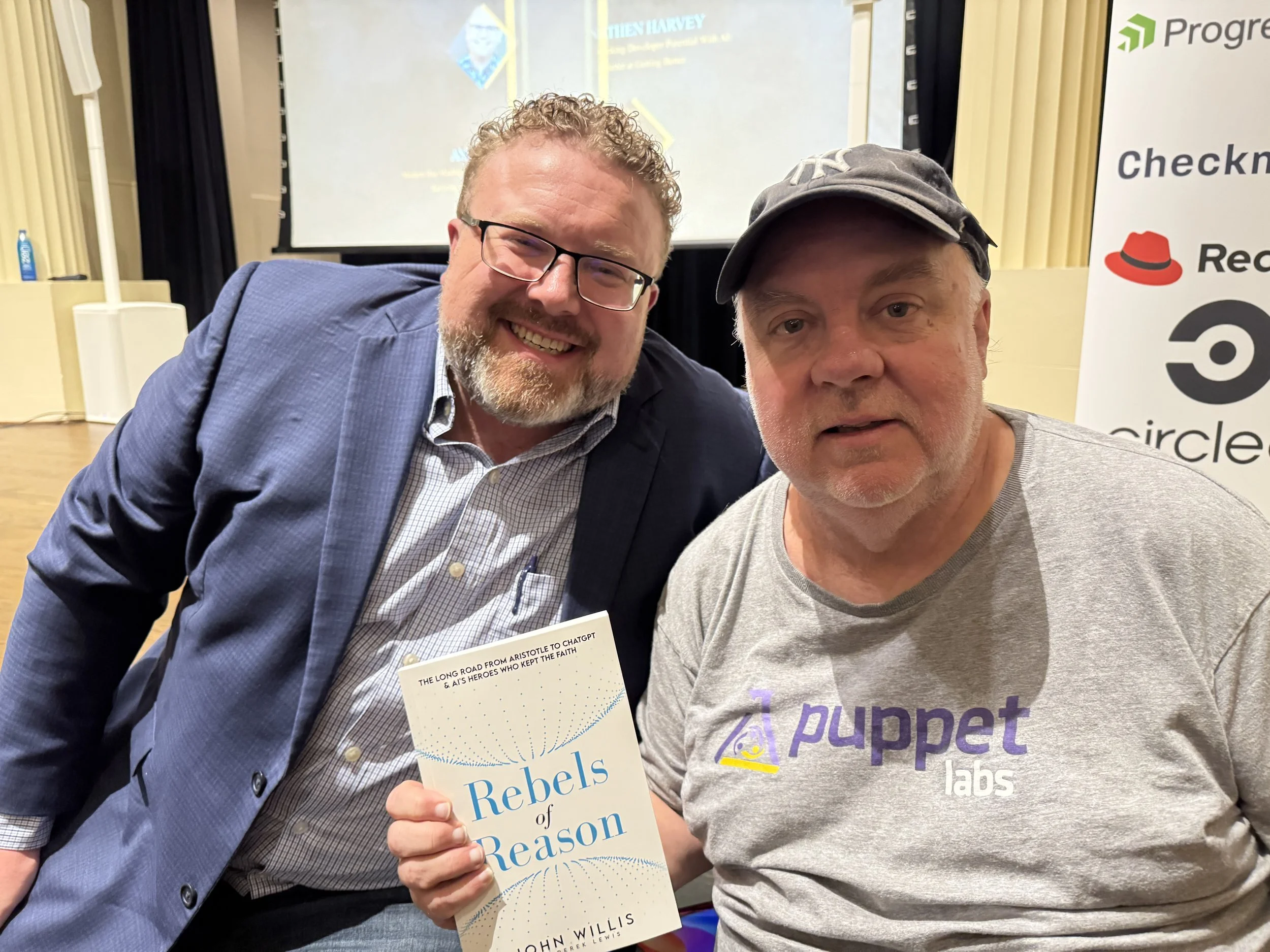
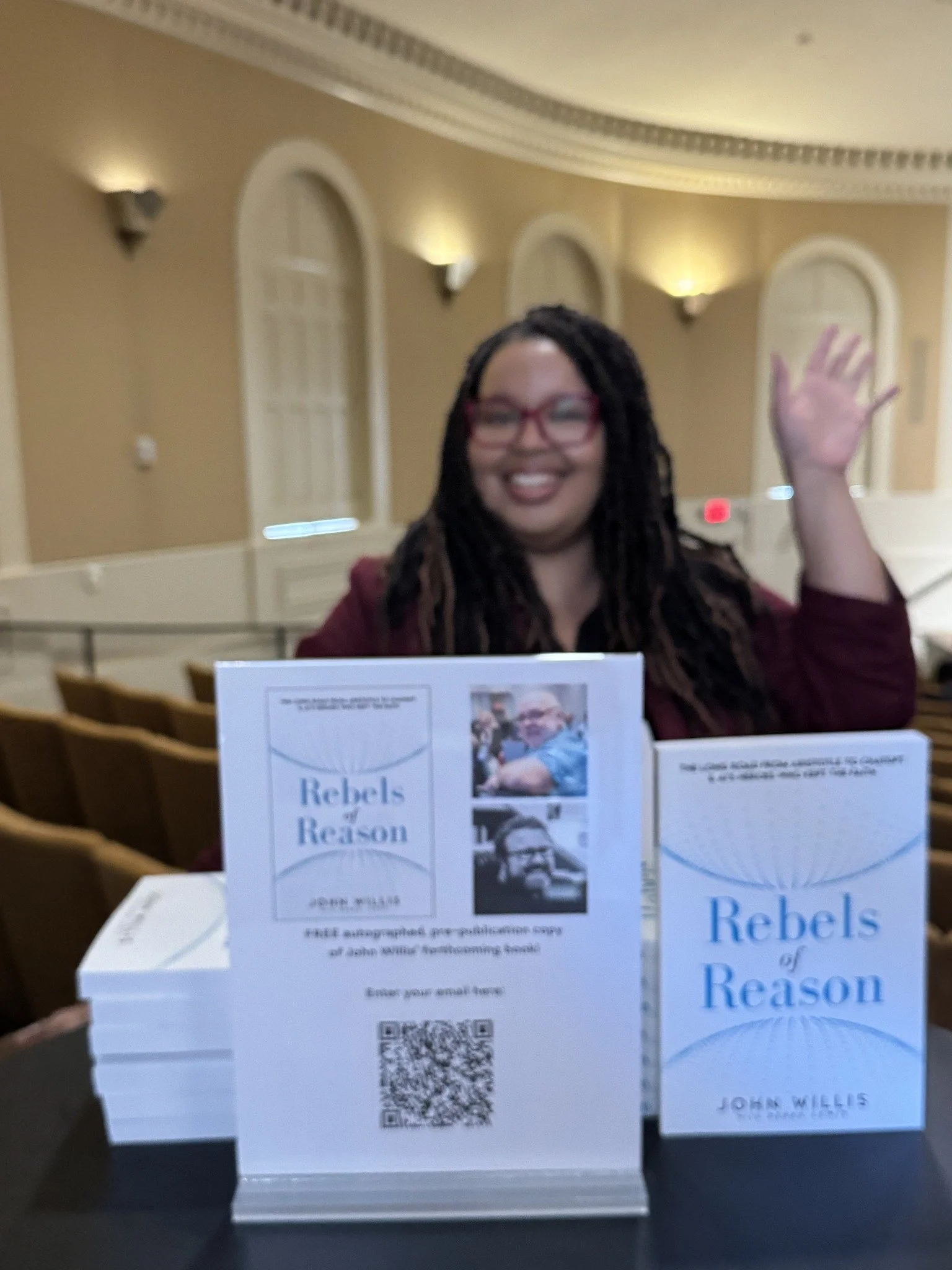
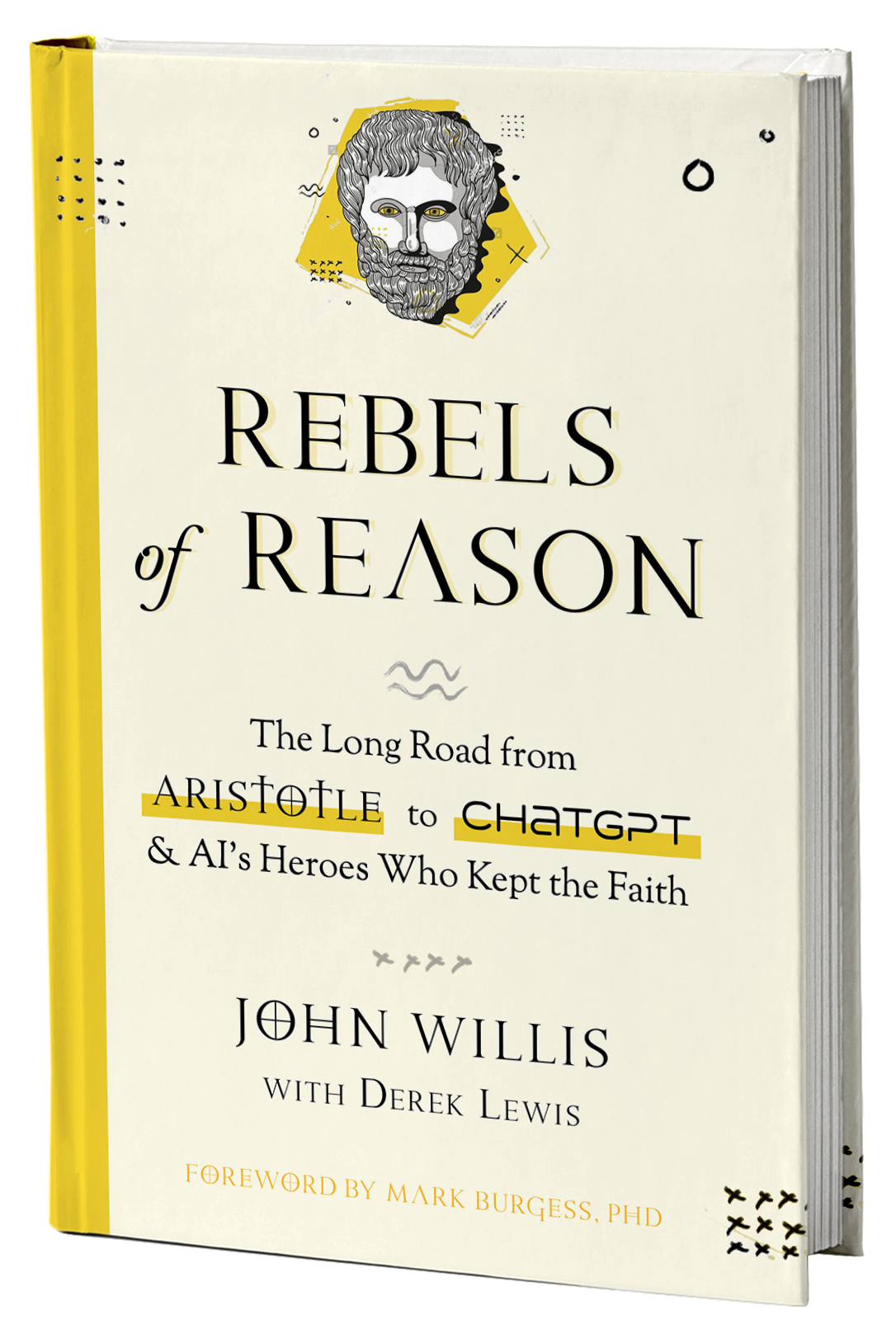
John loved it so much that he decided to do a second book with me, a memoir of his career in tech startups (Digital Confidential). And then we did Rebels of Reason.


He says,
“I hear people who’ve written a book say they’ll never do that again. They’ll never write another book. I say, I don’t ever want to stop writing books. If you do Derek’s way, it’s fun!”
Hard, as you’ve seen if you’ve read this far. But fun.
What’s It to Be?
Keep Writing Your Way?
Or Would You Like to Have Fun
While You Finally Get It Done?

Red pill, blue pill time, Neo.
If you could write your business book on your own, you already would have.
Otherwise, why would you have come here?
I’m Derek Lewis. I love working with people to turn their expertise into amazing books that people love to read. And I’d love to do the same for you.
I will leave you with a gem from The War Art: “Start before you’re ready.”
Email me at derek@dereklewis.com.
I’m sincerely looking forward to it.